
More articles about: Emergency & Trauma Care
Department News
Emergency Department achieves success in faculty promotions
The Department of Emergency Medicine is proud to celebrate the promotion of all ten faculty members proposed this cycle. Approved by the University of Michigan Board of Regents May 15 and effective August 25, 2025, these promotions span the clinical, research, and tenure tracks.

Department News
U-M’s Pop-Up Safety Town Teaches Injury Prevention and Helps Keep Kids Out of the ER
Pop-Up Safety Town, a community outreach initiative by the University of Michigan’s Department of Emergency Medicine in partnership with the U-M Concussion Center, brings free, hands-on injury prevention education to underserved communities across Michigan. Designed for children ages three to six, the program teaches vital safety skills, like helmet use, medication safety, and pedestrian awareness, through interactive events and classroom kits. By engaging families directly in schools and community spaces, and expanding through partnerships and national scaling efforts, the initiative aims to reduce preventable childhood injuries and keep kids out of the emergency room.

Department News
Launching the next generation of emergency medicine researchers
The K12 Neuro-EM Scholars Program, launched in 2024 at the University of Michigan’s Weil Institute and funded by the NIH’s National Institute of Neurological Disorders and Stroke, is the first national initiative designed to train early-career emergency medicine (EM) faculty in neurological research. With dedicated funding, mentorship, and a focus on high-impact research, the program supports scholars as they pursue independent research careers focused on critical, time-sensitive neurological emergencies. In its inaugural year, four scholars were selected, with additional support provided through a Pipeline Program for emerging researchers. The initiative is quickly building a nationwide community of EM physician-scientists committed to advancing care for neurological emergencies.
Health Lab
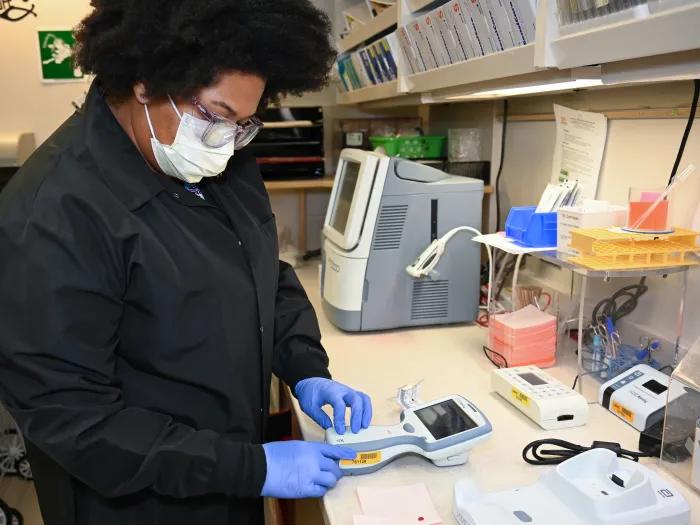
Revolutionizing head injury care
A simple blood test is changing how emergency medicine operates.
Health Lab
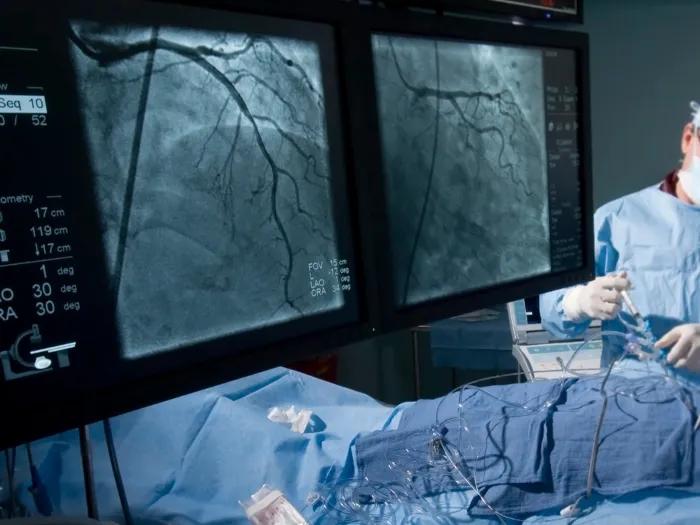
Researchers find significant differences in care of life threatening shock after heart attack
A study finds most hospitals don’t see many cardiogenic shock patients. When they do, providers often do not have a standardized way of treating them.
Health Lab
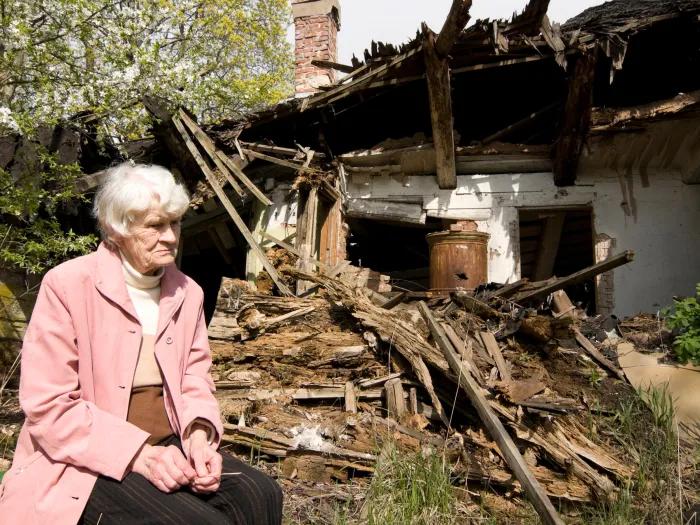
People living with dementia during natural disasters
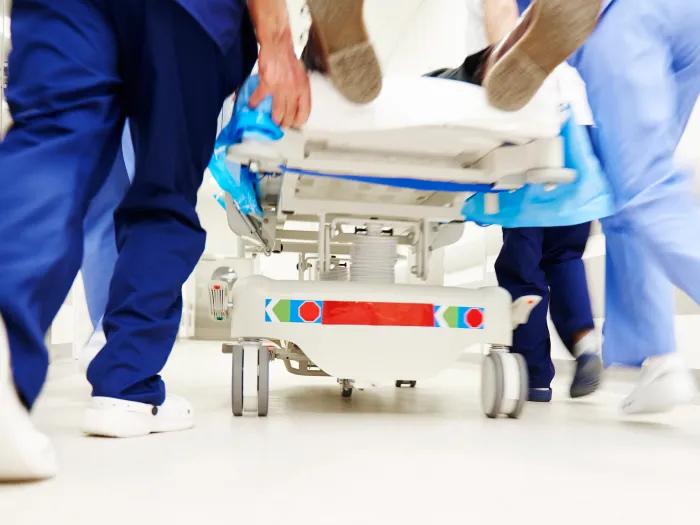
Extreme weather and weather-related disasters are becoming more and more common. Unfortunately, disaster related disruptions in healthcare tend to affect the most vulnerable of populations – including older adults living with cognitive impairment. In this episode, Matt & Donovan speak with University of Michigan faculty member, Sue Anne Bell, about how healthcare disruption due to a disaster can affect the population of older adults living with dementia.
Health Lab
Firearm hospitalizations dropped before the pandemic, then shot up
Hospital stays related to gun injuries dipped then rose sharply, and paralleled gun sales trends, with disparities by age, race and health insurance status.
Health Lab
Reducing dose of popular blood thinners may limit risk of future bleeding
For people taking the popular blood thinners rivaroxaban (brand name Xarelto) and apixaban (brand name Eliquis), after having a blood clot, a reduced dose may limit the future risk of bleeding as well as hospital visits, a Michigan Medicine-led study suggests.

Health Lab
Racial differences in medical testing could introduce bias to AI models
Black patients are less likely than white patients to receive certain medical tests that doctors use to diagnose severe disease, impacting artificial intelligence data. But researchers have found a way to correct the bias in these data sets.
Health Lab
Michigan fan saved after wife recognizes stroke at football game
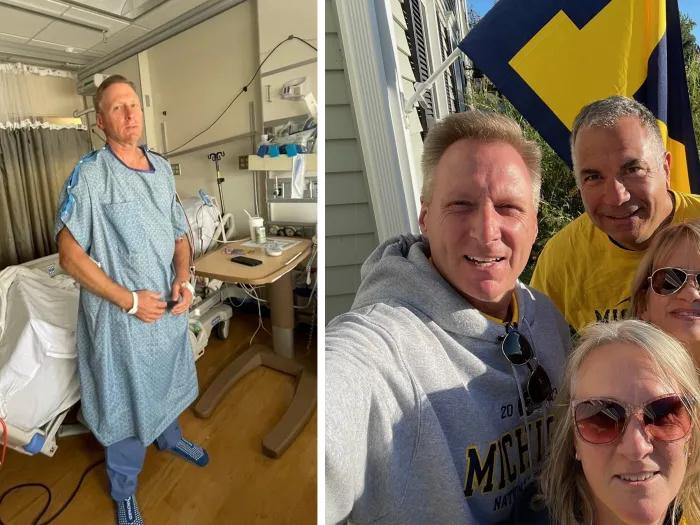
After a man suffered a stroke at a University of Michigan football game, his wife’s recognition of his symptoms helped him receive lifesaving treatment and make a full recovery.
Health Lab
Timely CPR saves runner who collapsed during first week of college
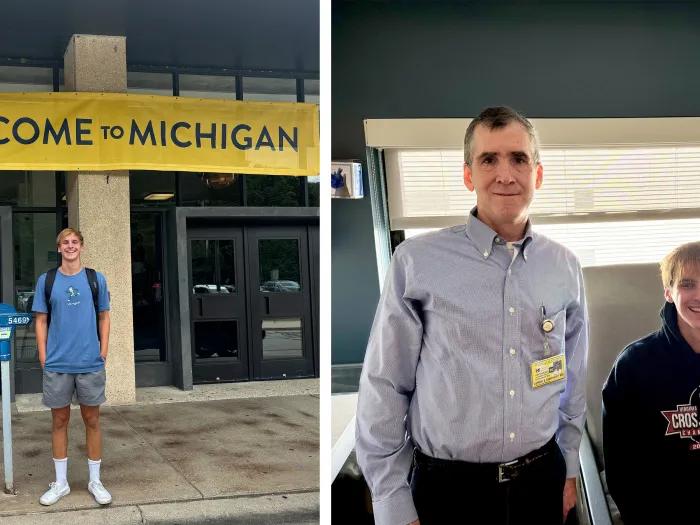
Bystander CPR saves a first year college student who collapsed from sudden cardiac arrest while running during his first week of school.
Health Lab
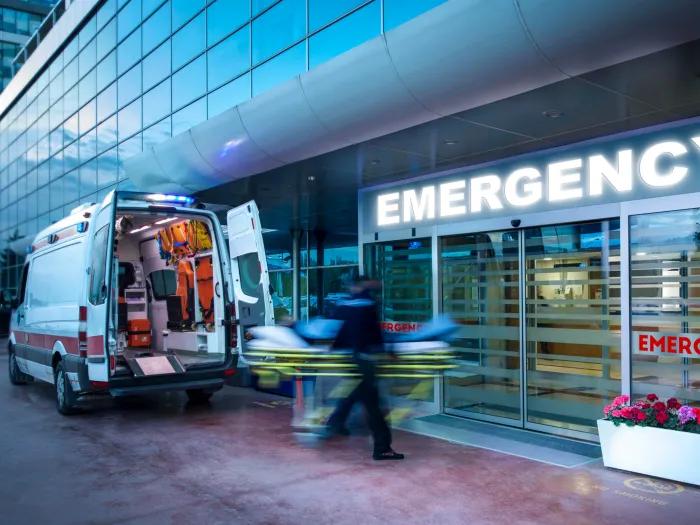
Black stroke patients arrive later to hospitals, EMS less likely to notify
Research found that it took approximately 28 minutes longer for a Black patient to be brought in for emergency care after displaying symptoms of a stroke.
Health Lab
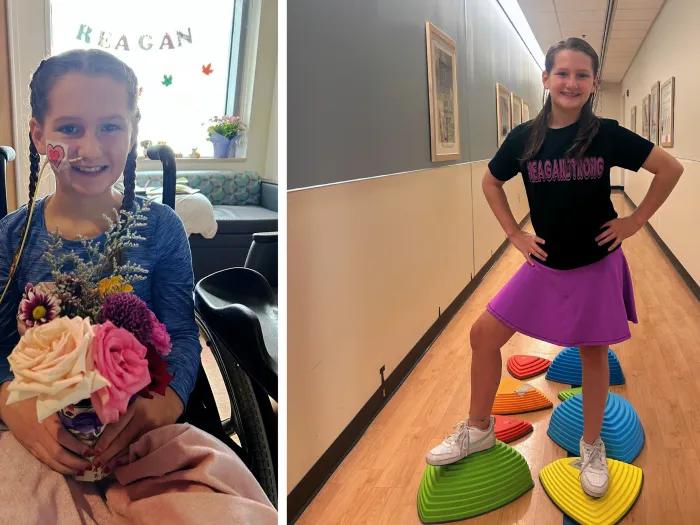
10-year-old works to regain independence after rare brain hemorrhage
A young girl works with physical therapists and other specialists in two unique clinics to regain strength again after a rare brain hemorrhage.
Health Lab
ER screening tool helps identify youth at risk of experiencing firearm violence
A study published by researchers at the University of Michigan reveals that implementing this screening tool can help identify and support youth with firearm violence history.
Health Lab
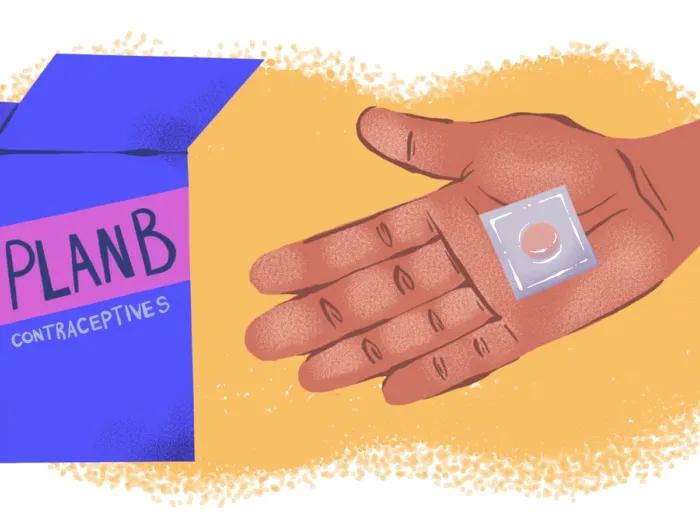
Emergency contraception related ER visits dropped significantly over 14 year period
After federal approval for over the counter emergency contraception in 2006, emergency departments across the U.S. saw dramatic decreases in related visits.
