
More articles about: Emergency & Trauma Care
Health Lab
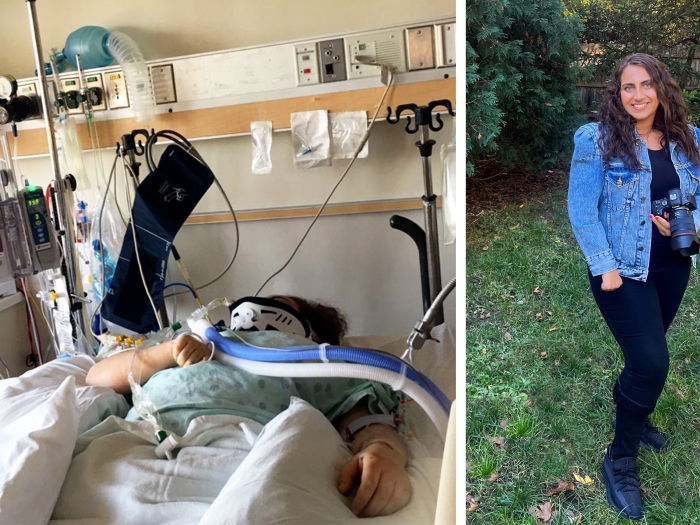
Brain tumor and car crash survivor aspires to be example for others living with disabilities
A car accident at age 20 left Sahar Mashhour in the intensive care unit for three months. Almost six years later, Mashhour is still pursuing her passions proving that her disability doesn’t limit her ability, but instead helps her see life through a different lens.
Health Lab
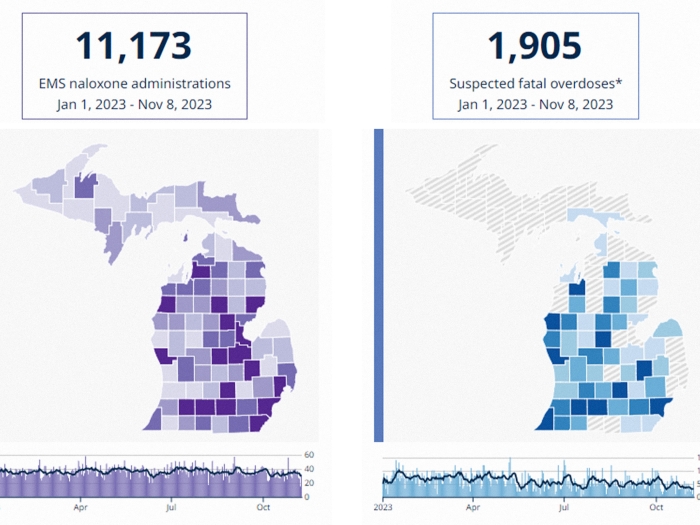
Real-time opioid overdose data improves safety response from community
To improve coordinated community response to opioid overdoses, University of Michigan researchers are placing near-real time data in the hands of public health and safety officers. The Michigan System for Opioid Overdose Surveillance, was created in 2016 in response to the opioid crisis through a partnership between the University of Michigan Injury Prevention Center and the Michigan High Intensity Drug Trafficking Areas.

Health Lab
Child care centers aren’t a likely source of COVID-19 spread, study says
Research published from experts at Michigan Medicine, the University of Pittsburgh School of Medicine, and UPMC Children’s Hospital of Pittsburgh shows that children in daycare centers were not significant spreaders of COVID-19
Health Lab
Women stroke survivors believe they will receive worse care in the emergency room
National study examined health care perceptions of approximately 3,500 women, including those with and without a history of stroke

Health Lab
Gun deaths among children and teens have soared
Over the past decade there's been an 87% increase in firearm-involved fatalities among children and teens in the U.S. But there are also strategies and tools to stop and reverse this troubling trend.

Health Lab
Examining sexual health equity in emergency care
Research from experts at Michigan Medicine is highlighting the potential for additional at-home assistance for partners of those who are treated in the emergency department for a sexually transmitted infection.
Health Lab
Pulmonary embolism deaths, disparities high despite advancements in care
Despite these innovations, a Michigan Medicine study finds that the death rate for pulmonary embolism remains high and unchanged in recent years – more often killing men, Black patients and those from rural areas. The results are published in the Annals of the American Thoracic Society.
Health Lab
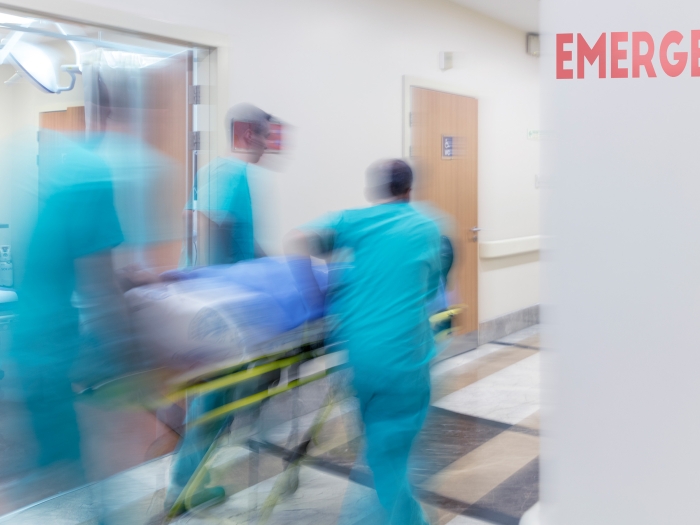
Nearly three-quarters of stroke patients requiring higher level of care wait over two hours for transfer
More than 70% of people experiencing a stroke who require a transfer wait longer than two hours to be transferred from the initial emergency department to hospitals with higher levels of care to receive time-sensitive care, a study finds.
Health Lab
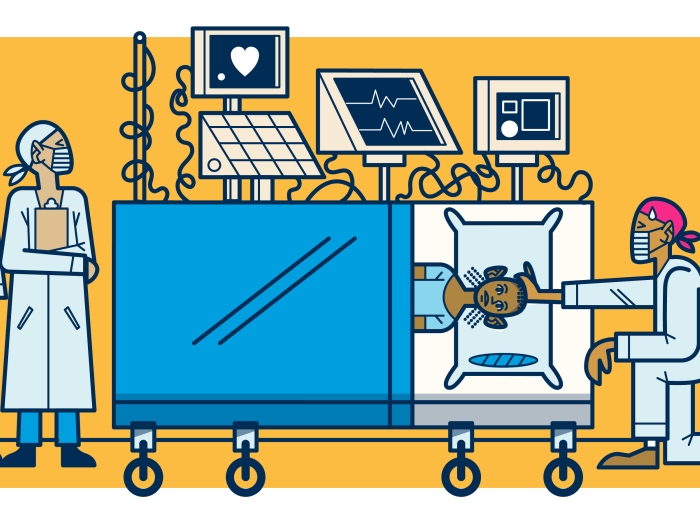
Children who suffer cardiac arrest more likely to survive at ECMO capable hospitals
Children who experience cardiac arrest are one and a half times more likely to survive at a hospital capable of providing the life support system called ECMO, research suggests. But the reason behind better outcomes may have less to do with being saved by the heart and lung support machine itself and more to do with the care team structure at hospitals capable of ECM0, suggests the findings in Resuscitation.
Health Lab
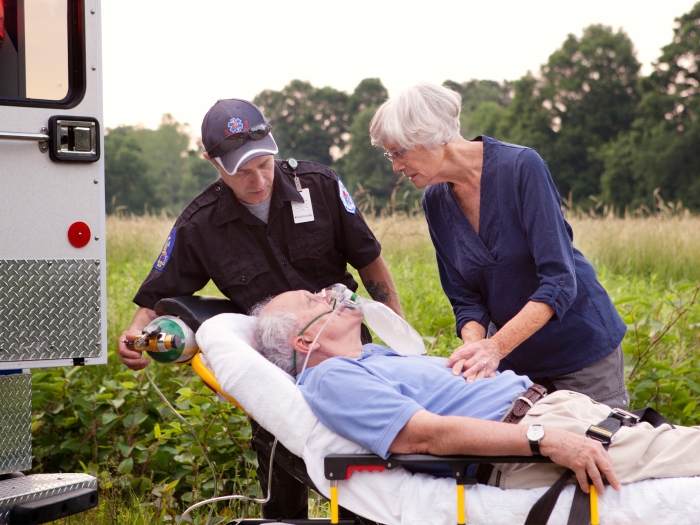
Dementia becomes an emergency 1.4 million times a year
People with Alzheimer’s and other forms of dementia account for a large percentage of emergency visits by older adults, but some of those crises could be prevented.
Health Lab
Transgender people more likely to be admitted when seeking emergency care
Research suggests transgender and nonbinary people are significantly more likely than cisgender peers to be admitted following a visit the emergency department.
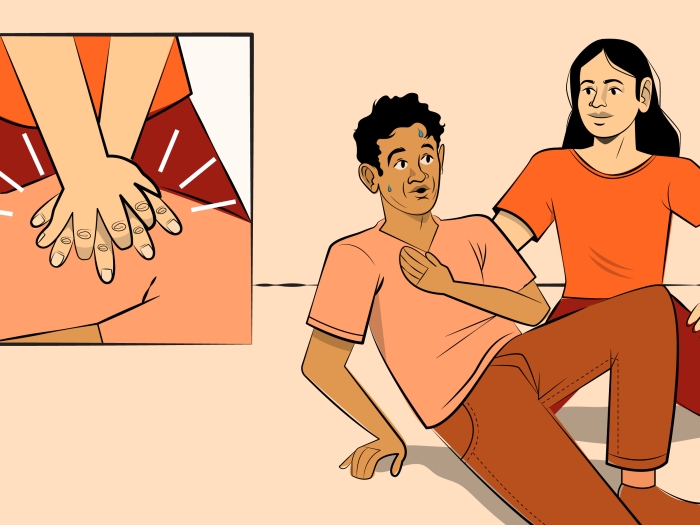
Health Lab
Common CPR questions answered by doctors
A cardiologist and emergency physician from the University of Michigan Health answer key questions about CPR.
Health Lab
‘Concerning’ CT scans may cause unnecessary hospitalization for some pulmonary embolism patients
Michigan Medicine research finds that some patients with PE, a blood clot in one or more pulmonary arteries, may be hospitalized unnecessarily due to computed tomography, or CT, imaging results rather than clinical risk factors.
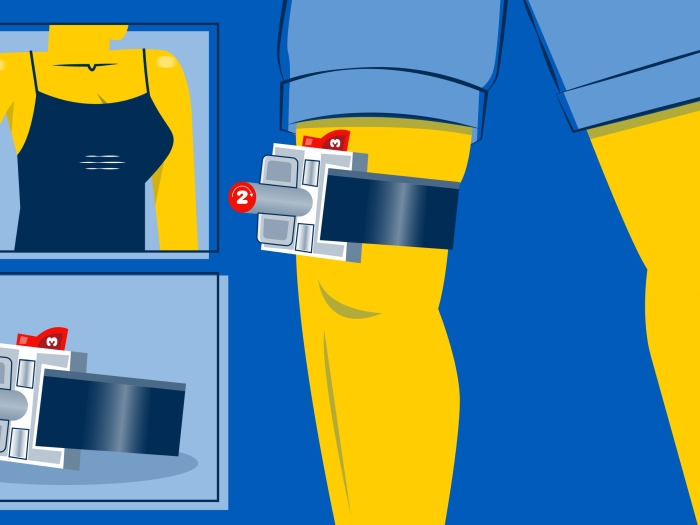
Health Lab
“Turn-I-Kits” for Ukraine
The Weil Institute and Precision Trauma have now created and donated Turn-I-Kits to Ukraine, which meet all the requirements of standard military-issue tourniquets and are fit to be used in hospitals or at various levels of care on the battlefield.
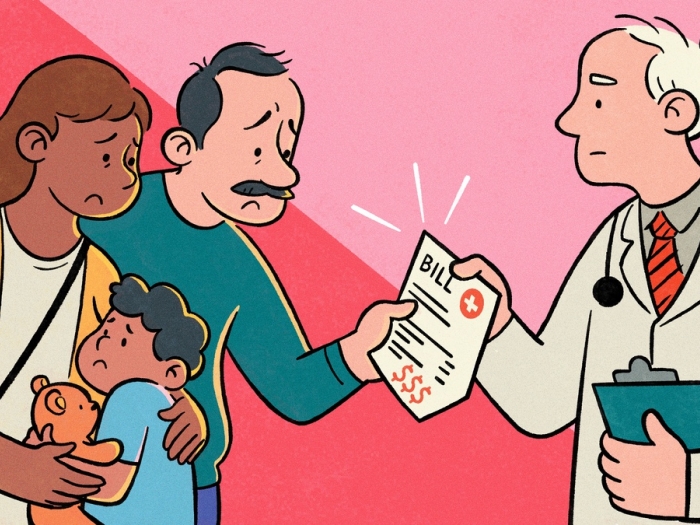
Health Lab
Even with private insurance, your child's hospitalization could cost $1,300
Study reveals privately insured families may spend $1,300 out-of-pocket for child hospitalization. High costs impact family wellbeing warns pediatric expert.
