
health lab Articles

Health Lab
Study shows promising treatment for tinnitus
Tinnitus, the ringing, buzzing or hissing sound of silence, impacts 15% of adults in the United States have tinnitus. A recent study from researchers at the University of Michigan’s Kresge Hearing Research Institute suggests relief may be possible with treatment.
Health Lab
What parents should know about eating disorders
Michigan Medicine experts talk about what parents should know about eating disorders.

Health Lab
Making kid’s eye care more accessible
In Michigan, families don’t have to travel far for top pediatric eye specialists

Health Lab
VA hospitals adapting to the COVID-19 pandemic
A recent study comparing the impact of COVID-19 on VA and non-federal hospitals showed the VA structure held several distinct advantages when adapting to the pandemic including the ability to quickly expand bed capacity, retain staff, mitigate supply shortages and avoid financial hardship.
Health Lab
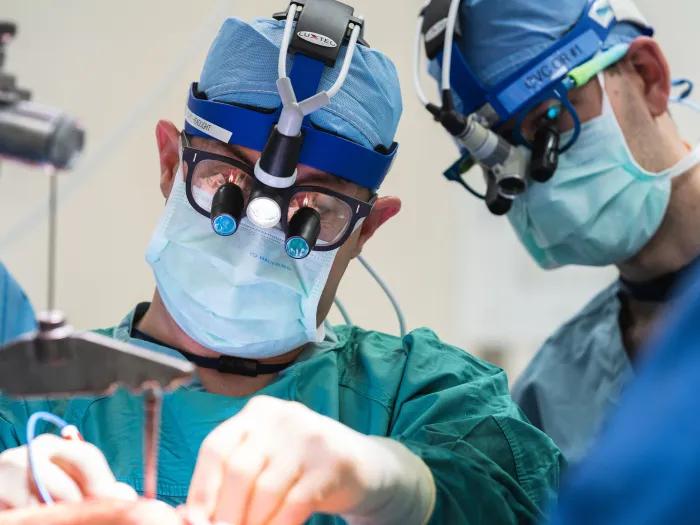
U-M Health performs its first heart transplant after cardiac death
As the number of heart transplants performed across the United States continues to grow, surgeons at the U-M Health are taking advantage of technology that could increase its transplant yield by as much as 30%. Transplant surgeons in Ann Arbor completed the health system’s first heart transplant using an organ from a donor who had recently died — a process called donation after circulatory death, or DCD.
Health Lab
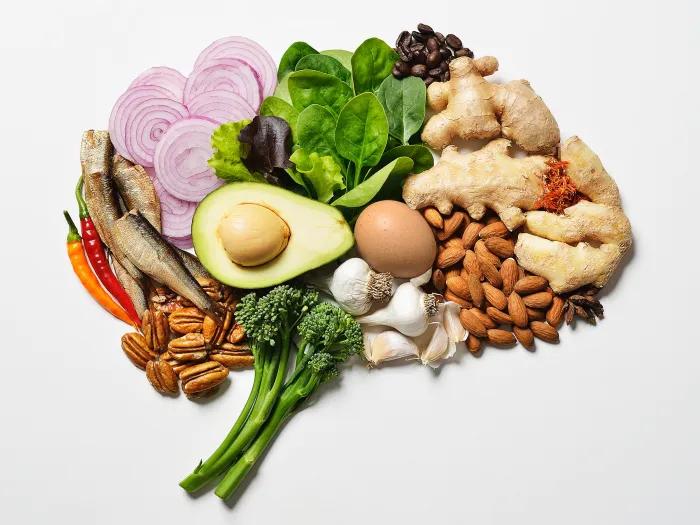
Could low iron make mental health symptoms worse?
Iron levels in the blood – and specifically, a type of iron storage called ferritin – have been linked to mental health symptom severity

Health Lab
More older adults are using patient portals, but access and attitudes vary widely
Use and confidence are lower in those with lower incomes or lower levels of physical or mental health
Health Lab
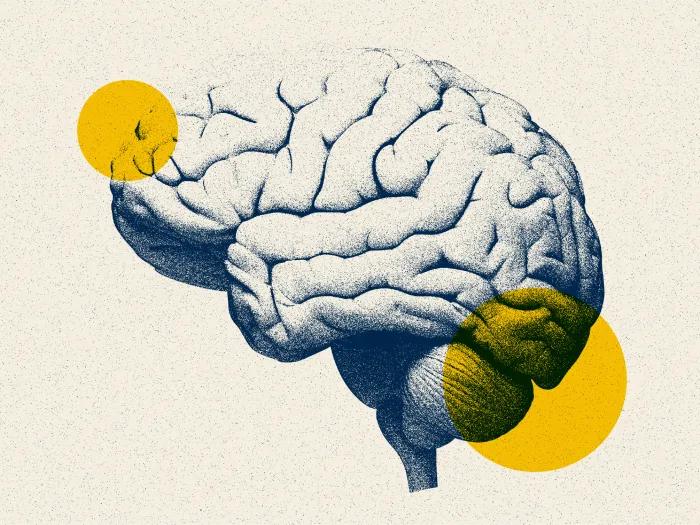
Life stressors may contribute to multiple sclerosis flares, disability
Life stressors can contribute to multiple sclerosis flares and disability. Learn about the research on how stress can impact MS, and how to manage stress to improve your health.
Health Lab
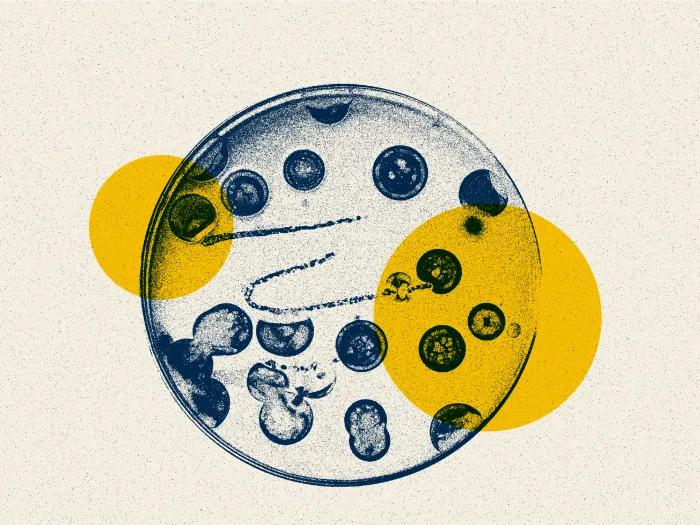
What turns fungus from friend to foe?
Scientists have wondered whether there are differences in the types of yeast that become pathogenic. A study from the U-M Medical School Department of Microbiology and Immunology finds that the colonizing strains are very similar to pathogenic strains.

Health Lab
A new regulator of innate immunity identified
One of the most important protein complexes in mammals involved in ERAD is called SEL1L-HRD1. Recent research finds that this protein complex helps regulate another critical protein involved in innate immunity, called STING, at the endoplasmic reticulum.
Health Lab
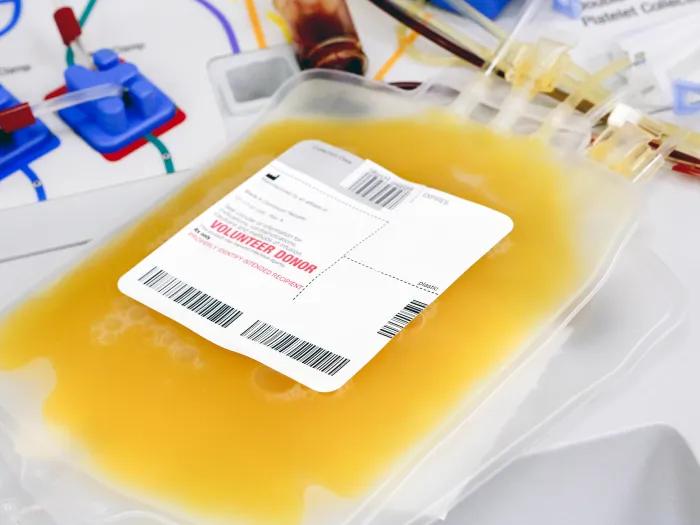
New blood donation rules to know
Blood donation guidelines based on individual risk rather than broad bans increase the number of people eligible to give and save lives.

Health Lab
Controlling elevated carbon dioxide improves survival
A Michigan Medicine study finds controlling elevated carbon dioxide improves survival in patients.
Health Lab
Higher blood sugar linked to faster loss of brain power in stroke survivors
Research finds higher blood sugar linked to faster loss of brain power in stroke survivors.
Health Lab
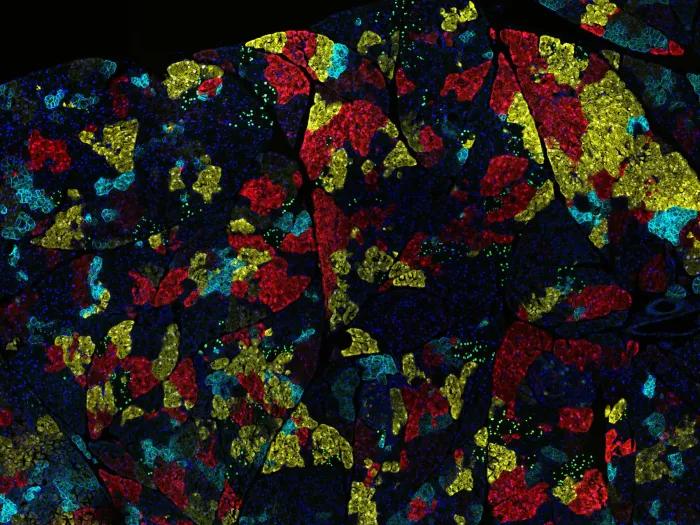
Study finds cancer cells use a new fuel in absence of sugar
Sugar free: investigator finds cancer cells use a new fuel in absence of sugar
Health Lab
Living well with bipolar disorder
Learn how lived experience and research experts define wellness when living with bipolar disorder with the Heinz C. Prechter Bipolar Research Program at the University of Michigan.
