
More articles about: molecular and integrative physiology
Health Lab
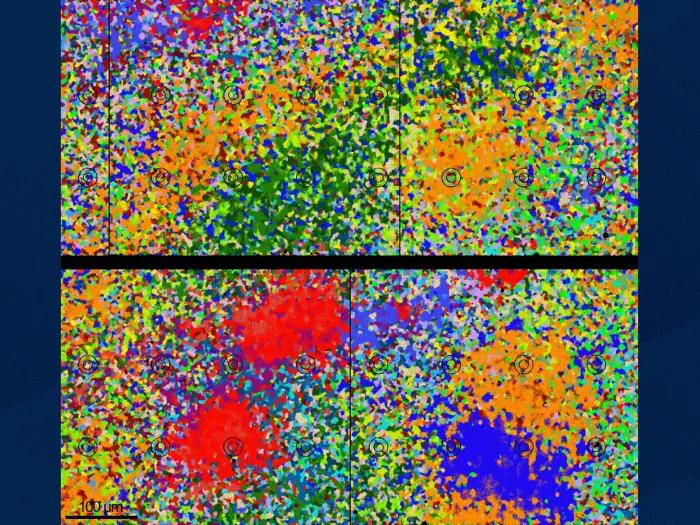
An upgrade to U-M developed tech enables researchers to see even finer transcription detail inside cells
A technology developed at University of Michigan called Seq-Scope revolutionized the ability to map gene activity within intact tissue at microscopic resolution, enabling researchers to measure all expressed mRNA molecules and determine precisely where they are located within the tissue, using an Illumina sequencer machine. The team behind the Seq-Scope method has recently taken the technology even further. Their findings are described in Nature Communications.

Points of Blue
Dr. Rick Mortensen on Leading in the Classroom and the Lab
Dr. Rick Mortensen has shaped generations of Michigan medical students through decades of steady leadership in endocrine education. In this month’s Featured Educator spotlight, he reflects on how a junior faculty teaching role at Brigham and Women’s Hospital sparked a lifelong commitment to medical education, and why engaged students continue to energize his work today.
Philanthropy News
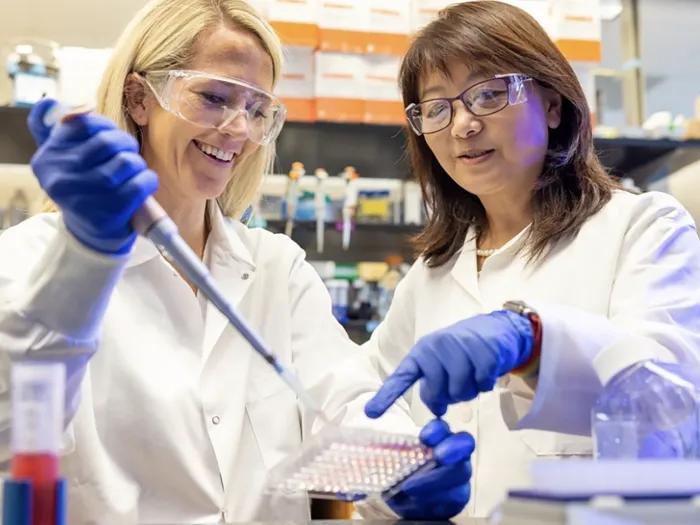
Michigan Medicine donors fuel breakthroughs in discovery research
Michigan Medicine Discovery Research Week celebrates essential research and the donors who make it possible.
Department News
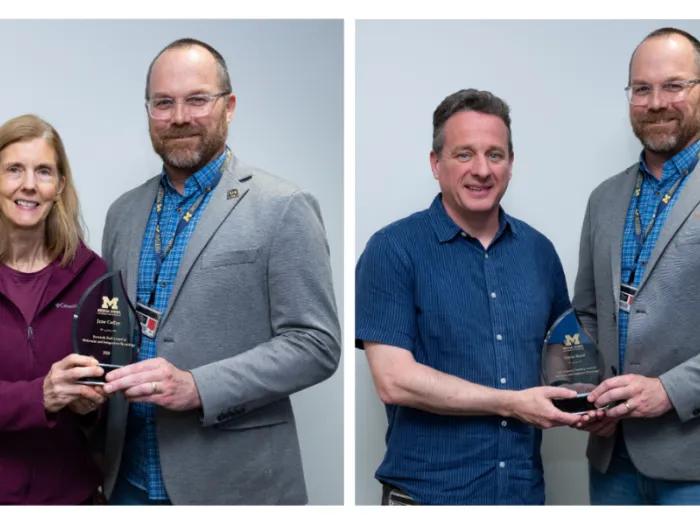
2025 EBS Awards
2025 EBS Award Winners in MIP awarded at the EBS awards ceremony.

Health Lab
The scent of death?
New research work discovers that the presence of dead members of C. elegans has profound behavioral and physiological effects, leading the worms to more quickly reproduce and shorten their lifespans.
Health Lab
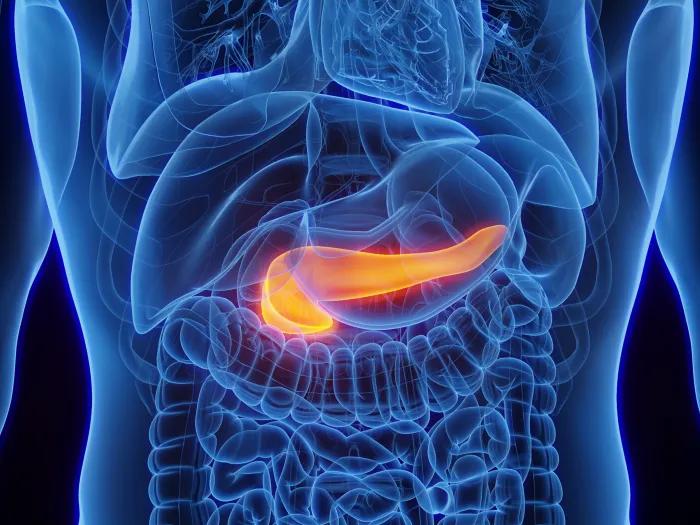
Drug targets identified for pancreatic cancer
U-M researchers have discovered that simultaneously targeting PIKfyve and KRAS-MAPK can eliminate tumors in preclinical human and mouse models.

Health Lab Podcast
This worm can live forever
Figuring out the secrets of planarian worms' immortality could lead to insights about aging for mammals, including people.

The Fundamentals
Treating Diabetes & Weight: The Ozempic & Wegovy Effect
Today on The Fundamentals, our guest Dr. Martin Myers, Director of the U-M Elizabeth Weiser Caswell Diabetes Institute, discusses diabetes research in the context of Ozempic, Wegovy, and other drugs that are changing how people think about weight loss.
Health Lab
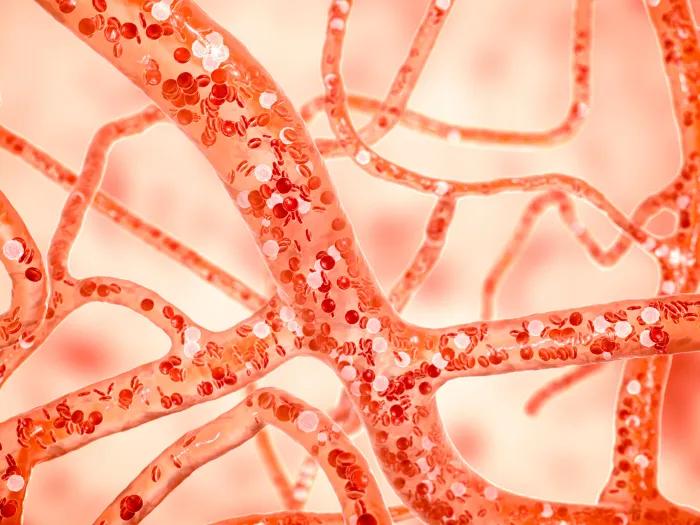
Discovery reveals how this common stinky gas is processed to promote blood vessel growth
A new collaborative study, examined the interaction between three naturally occurring gases — nitric oxide (NO), oxygen, and H2S — during generation of new blood vessels, called angiogenesis.
Health Lab
Sierra’s Michigan Answer: Researching bold breakthroughs for diabetes
Imagine two patients. Both the same age and height. The same gender and race. Both have a similar medical history. Two people, almost identical in every way. So, why does one of them, seemingly at random, develop diabetes?
