
Specialized Programs of Research Excellence (SPORE)

NCI-funded research promoting collaboration
The National Cancer Institute established the Specialized Programs of Research Excellence, or SPORE, program to promote collaborative, interdisciplinary translational cancer research. The grants bring together both basic and clinical scientists to support interdisciplinary projects aimed at generating new approaches to prevention, diagnosis and treatment of cancer.
Common Pathways of Cancers
Within the SPORE grant, research scientists and clinicians work together to determine a common pathway that is shared across various cancers types. Identifying these common themes in cancer pathways can then expedite the translation or movement of basic scientific findings into the clinical settings to effectively treat patients. Additionally, through observational research, the SPORE teams work to determine the individual or population based biological factors that affect the incidence and progression of these cancers.
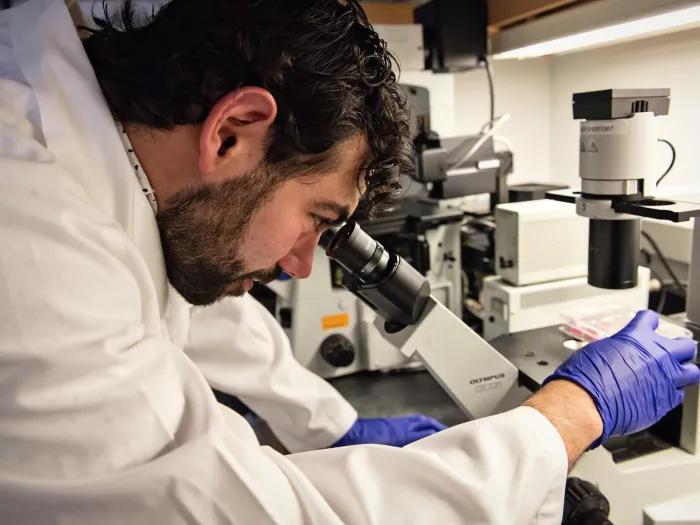
Prostate SPORE
The Michigan Prostate SPORE is a collaborative, multidisciplinary research program uniting the University of Michigan and Karmanos Cancer Institute to advance translational prostate cancer research through innovative projects, infrastructure, training, and partnerships.
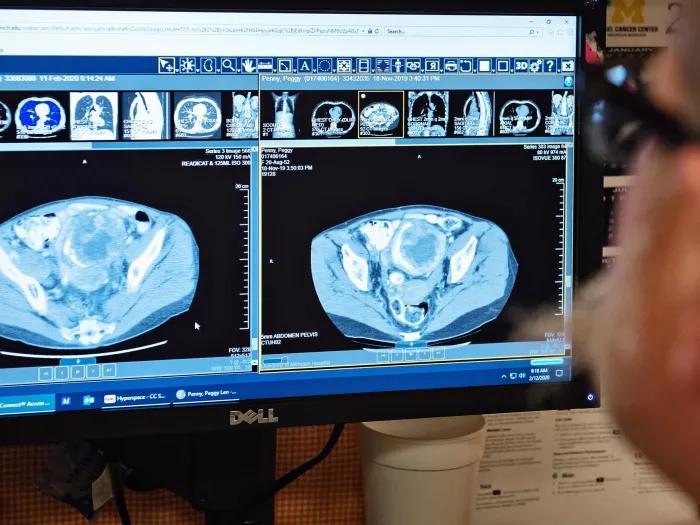
Leiomyosarcoma SPORE
The Leiomyosarcoma SPORE, led by the Rogel Cancer Center and an international team, advances research on this rare cancer through large-scale genomic studies, biomarker development, and genetic risk analysis, supported by global collaborations, specialized cores, and programs to foster innovation and career development.

Radiosensitization SPORE
The Radiosensitization SPORE focuses on enhancing the effectiveness of radiation therapy across pancreas, brain, and breast cancers by investigating drugs that sensitize tumors to radiation, through collaborative, multi-disciplinary projects targeting immune response, tumor metabolism, and DNA damage repair.
