The brain in balance
Researchers develop a new measure of consciousness
5:00 AM
Author |
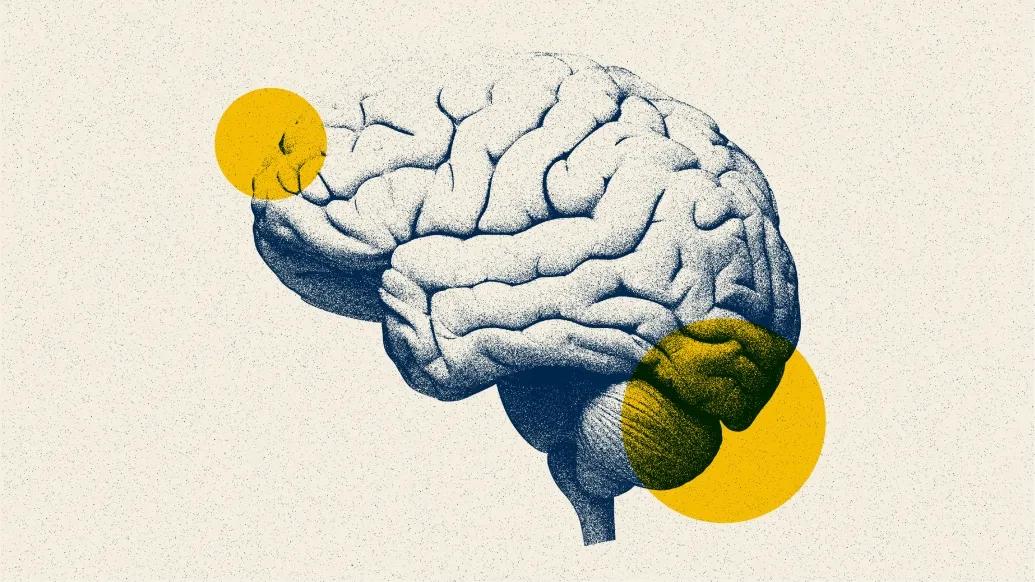
Decades of evidence suggest that the brain maintains a “balancing act” when it comes to generating consciousness.
Specific information gets processed in different parts of the brain (referred to as “segregation”) but must be synthesized to generate our seamless experience (referred to as “integration".)
If integration and segregation get out of balance, consciousness can fall apart.
Researchers can look at a brain using functional magnetic resonance imagining machines and examine patterns of brain signals, but assessment of consciousness has been based mainly on behavioral responsiveness of the person being studied.
In a recent study published in Nature Communications, University of Michigan graduate student Hyunwoo Jang, M.S., and faculty mentors Zirui Huang, Ph.D., Anthony Hudetz, Ph.D., and George Mashour, M.D., Ph.D.—all from the U-M Center for Consciousness Science—have, using network neuroscience, found a way to objectively determine the balance of integration and segregation in fMRI-measured brain signals during wakefulness as well as during sleep and anesthesia.
They call this measure the integration-segregation difference, or ISD.
The ISD is approximately zero in conscious humans, because integration and segregation are balanced during normal consciousness.
However, during sleep and anesthesia, the ISD was found to diverge from zero as the neural scales get tipped in the direction of excessive segregation, during which the brain is unable to form strong connections between brain regions.
The ISD therefore seems to serve as an objective fMRI metric of consciousness that could greatly aid researchers studying brain network dynamics in neurologic and psychiatric disease.
Paper cited: “Measuring the dynamic balance of integration and segregation underlying consciousness, anesthesia, and sleep in humans,” Nature Communications. DOI: 10.1038/s41467-024-53299-x

Health Lab
Explore a variety of health care news & stories by visiting the Health Lab home page for more articles.
Media Contact

Public Relations
Department of Communication at Michigan Medicine
In This Story

Zirui Huang, PhD
Research Assistant Professor
George A Mashour
VICE DEAN
Anthony G Hudetz, DBM, PhD
Professor
Stay Informed
Want top health & research news weekly? Sign up for Health Lab’s newsletters today!
Featured News & Stories

Michigan’s aging brains need more protection, poll shows
Study explains how colorectal cancer cells maintain high iron levels
A method to prevent falls before they happen

When should parents stop tracking their kids' location?
Emergency EEG study suggests need for faster seizure diagnosis and care options