Cultivating Connections: Visualizing Our Community's Food Resources in Washtenaw and Wayne Counties
I was raised on the belief that food is a form of healing. Growing up in a small Ethiopian community in Florida, many moments were shared over injera, our traditional meal. When I moved away for college, the food I grew up with quickly became a source of comfort, joy and connection to my community and culture, even from a distance. This remains true to this day.
In my culture, and many others, food serves as a unifying force, bridging people of all different ages, places and walks of life. In considering the role of food in our communities, this sparked a deeper curiosity about how different communities and cultures view food as healing, comfort and medicine. It was this appreciation for the role that food can play in forging and sustaining connection and healing that inspired the work I pursued over the summer.
Studying public health in college, I became interested in better understanding noncommunicable diseases, particularly type 2 diabetes and obesity, given their significant impact on patient care and quality of life. Since starting medical school, I’ve gained an even clearer understanding of how various medical conditions can be exacerbated by modifiable risk factors, like alcohol and tobacco use, physical inactivity and dietary choices. This awareness fueled my desire to explore how long-term lifestyle factors, particularly nutritional habits, influence the management and well-being of vulnerable populations with chronic conditions.
Fueled by this interest, I connected with Dr. Francesca Williamson, an interdisciplinary qualitative methodologist whose interests centered around the effect of nutritional inequity on pediatric patient populations dealing with chronic conditions, like malignancy, type 2 diabetes and obesity. Our goal for the summer was to establish a foundation of the existing work in this area, and to better understand and contextualize the local nutrition resource network.
We began by reviewing the literature to better understand the effects that nutritional inequity and lifestyle-centered interventions could have on the care of pediatric patients. What I learned about nutritional equity and its implications for pediatric health revealed the urgent need to address these systemic inequities, highlighting how ensuring access to nutritious, affordable food is not merely a logistical challenge but a profound social justice issue. We also compiled a faculty list from institutions in the local area — University of Michigan, Eastern Michigan University and Wayne State University — showcasing local experts focused on nutrition and health behavior change. This effort not only illuminated the wealth of knowledge in our region but also underscored the potential for research to influence practice in addressing food-related health disparities.
By and large, most of my time was dedicated to asset mapping and outlining local resources accessible to children and families in Wayne and Washtenaw counties. This led to us identifying 60 community-based organizations (CBOs) providing essential services, such as free or subsidized meals. These organizations, ranging from soup kitchens to food banks to social services and religious centers, serve as lifelines for families in need. I was struck by the interconnectedness of all these community resources in addressing food insecurity. Many of the organizations had partnered with each other, working collectively to improve the resource infrastructure. It was also interesting to delve into how these CBOs navigated accessibility of their resources with the ever-growing need for food assistance. I even came across CBOs that had begun to utilize eligibility requirements for their patrons, such as proof of residency or identification requirements, which raised difficult ethical questions for us around fairness and deservingness.
Despite these challenges, it was clear that most CBOs were deeply committed to being consistent and affordable resources for their communities. I was particularly impressed by programs like Meet Up and Eat Up, which offers free meals to children at schools and recreation centers, and the Corner Health Center, which not only promotes healthy living for adolescents and young adults but also provides daily access to a food pantry with nutritious options. Overall, I was struck by how substantial the resource landscapes in these counties are.
While exploring our local resources, I also learned of community networks like Food Gatherers, which collaborate across multiple local organizations to address diverse needs. They coordinate food prescriptions for individuals with chronic health issues, supply local food banks, run a local community kitchen, organize a summer food service program for local youth and initiate new food programs in response to emerging local needs.
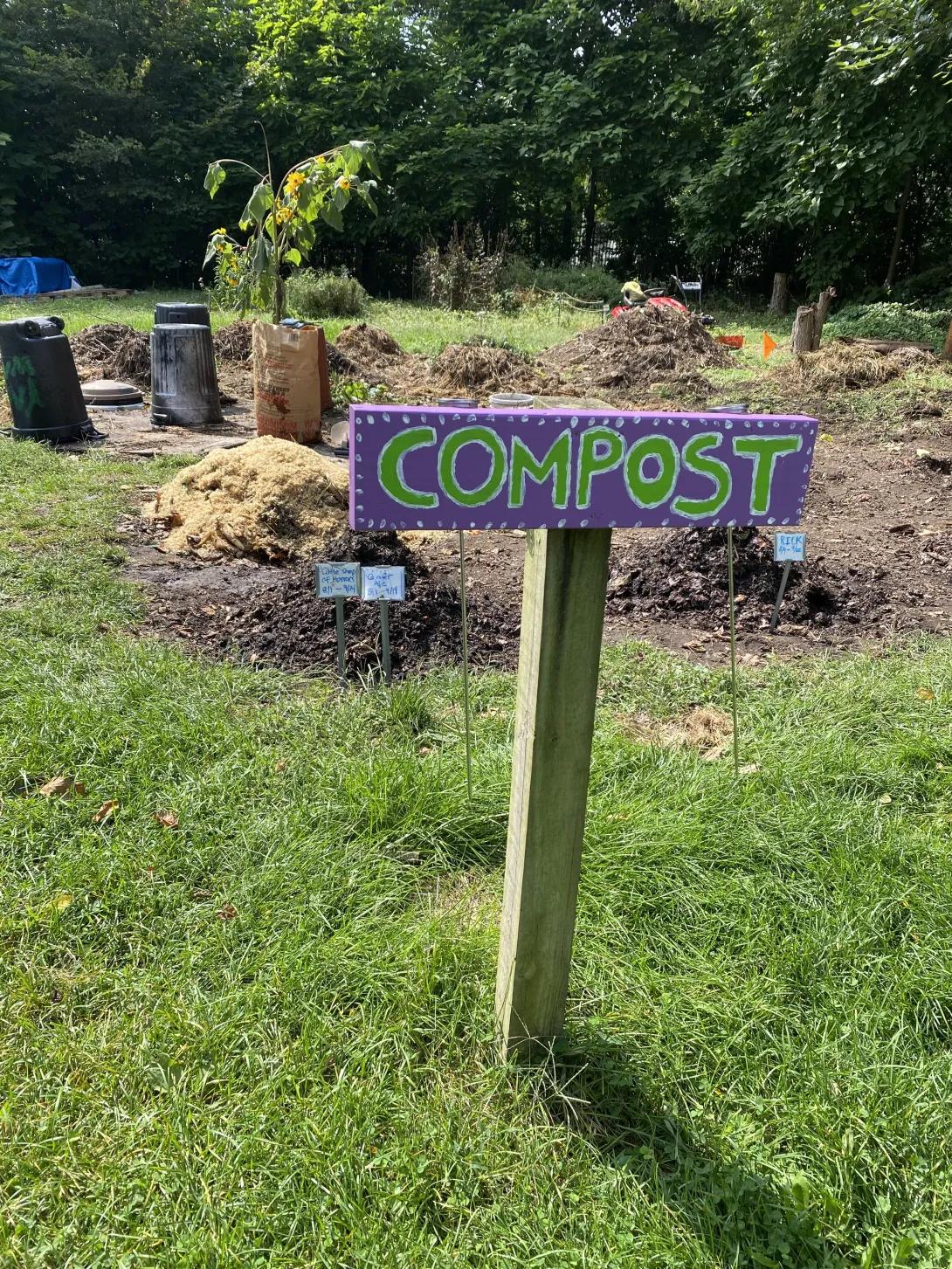
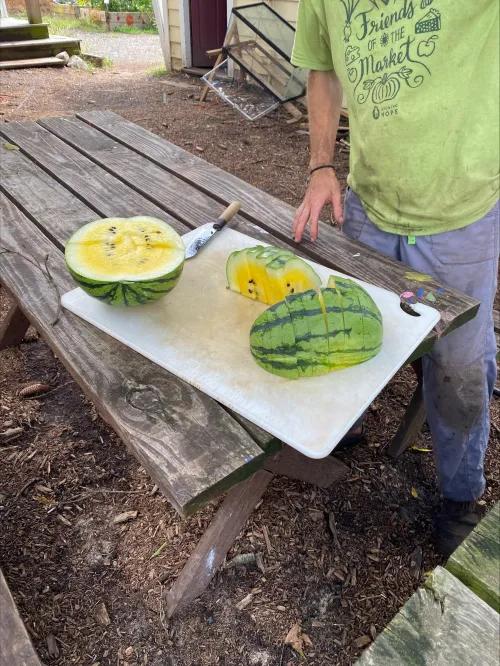
Another key organization that emerged as an important resource was an urban farm in Ypsilanti called Growing Hope. In addition to providing fresh produce to families in need, Growing Hope also helps stock local food pantries, accepts compost from local families and businesses, and hosts educational events teaching gardening skills. I had a few opportunities to volunteer at Growing Hope’s farm, where I was trained on the process of compost flipping, a task that was simultaneously fulfilling and arduous. Translating my interest into tangible work was invigorating, made even better by the reward of refreshing slices of yellow watermelon afterwards, grown by the very compost we helped turn.
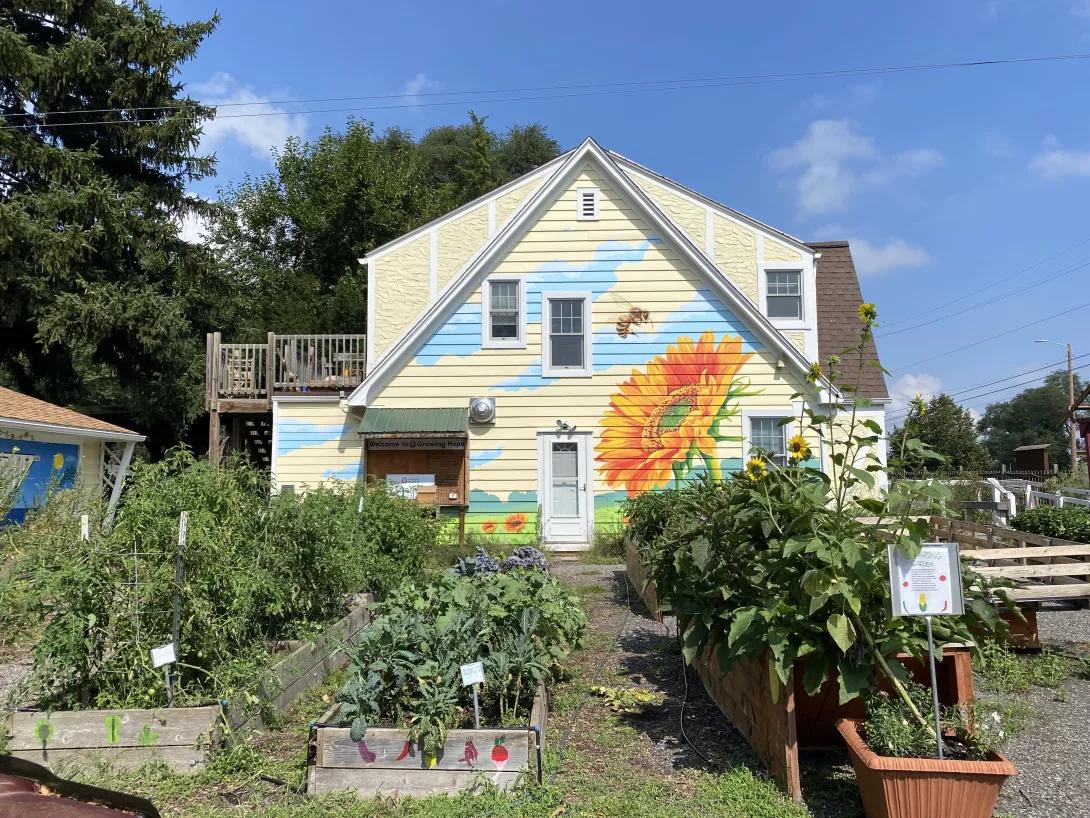
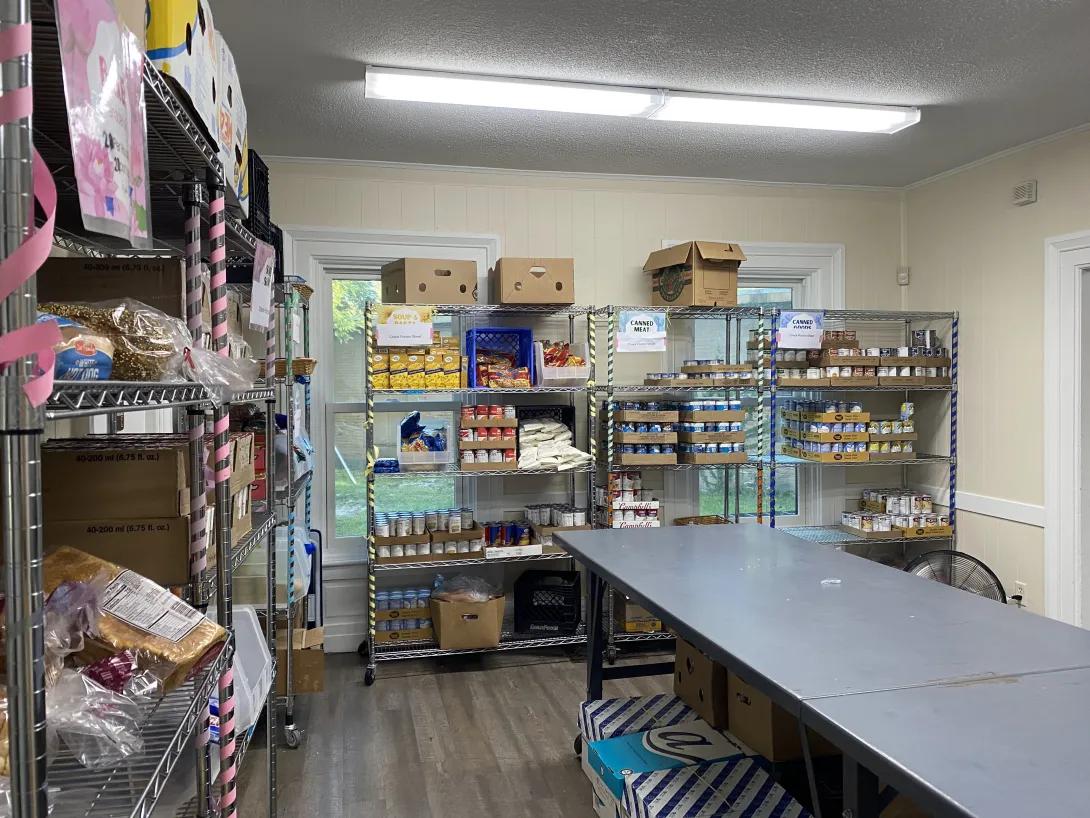
And to highlight how connected these resources are, one of the organizations that consistently uses Growing Hope’s compost service is SOS Food Pantry, a bustling food pantry in the heart of Ypsilanti. Our Black Medical Association (BMA) recently had the chance to volunteer here. We witnessed and took part in the coordinated interplay of volunteers and staff that worked tirelessly to make this organization function smoothly and provide vital services to vulnerable families. Here, I met different community members, including a young mother whose son was eager to help her parse through the fresh produce and snacks; an adult daughter and her elderly mother, who were collectively shopping for over 10 family members; and a grandmother eager to pick up some tasty, nutritious snacks for her grandchildren. These interactions illustrated the tangible impact that widespread collaboration can have in combating food insecurity.
Ultimately, my Capstone for Impact (CFI) experience and working with Dr. Williamson reinforced my commitment to advocating for food equity and supporting initiatives that dismantle barriers to accessing healthy food. It was enlightening to research and witness how these organizations work tirelessly in the background to equip our community with sustainable services. In learning about the ecosystem of support that exists, I've grown to appreciate the power of community collaboration in combating systemic challenges like food insecurity and creating a more equitable food system — one which enhances the health and well-being of our young patients.
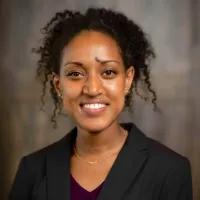
Leta Ashebo is a second-year medical student at University of Michigan Medical School. Outside of medicine, she can be found listening to new music and finding excuses to be out in nature. She loves learning about community-driven care and health equity practices and is eager to pursue a career that merges medicine and public health.
Media Contact
MD Admissions
University of Michigan Medical School
Featured News & Stories
Making an Impact at the University of Michigan’s Student Run Free Clinic
LGBTQ+ Aging in America
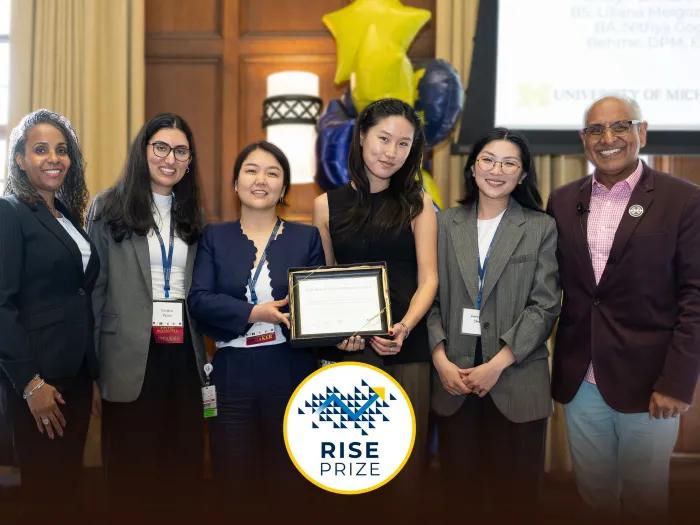
Inaugural RISE Prize Recognizes Innovation in Health Sciences Education
The Power of Mattering
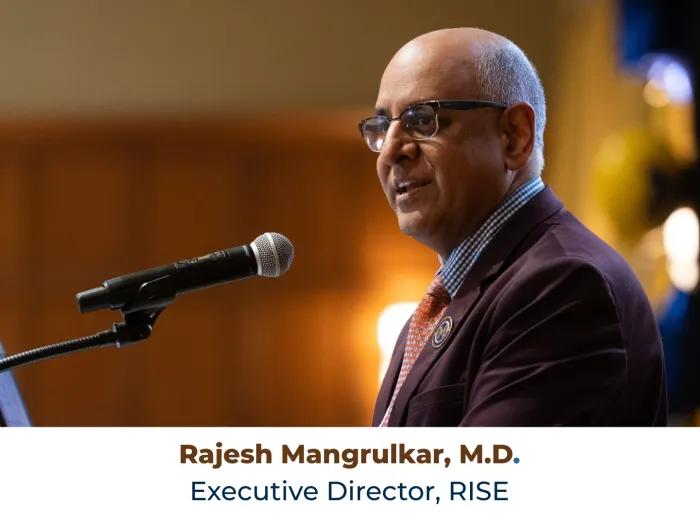
From the Executive Director’s Desk: June 2026