
Back to Department of Radiation Oncology
Radiation Oncology Research
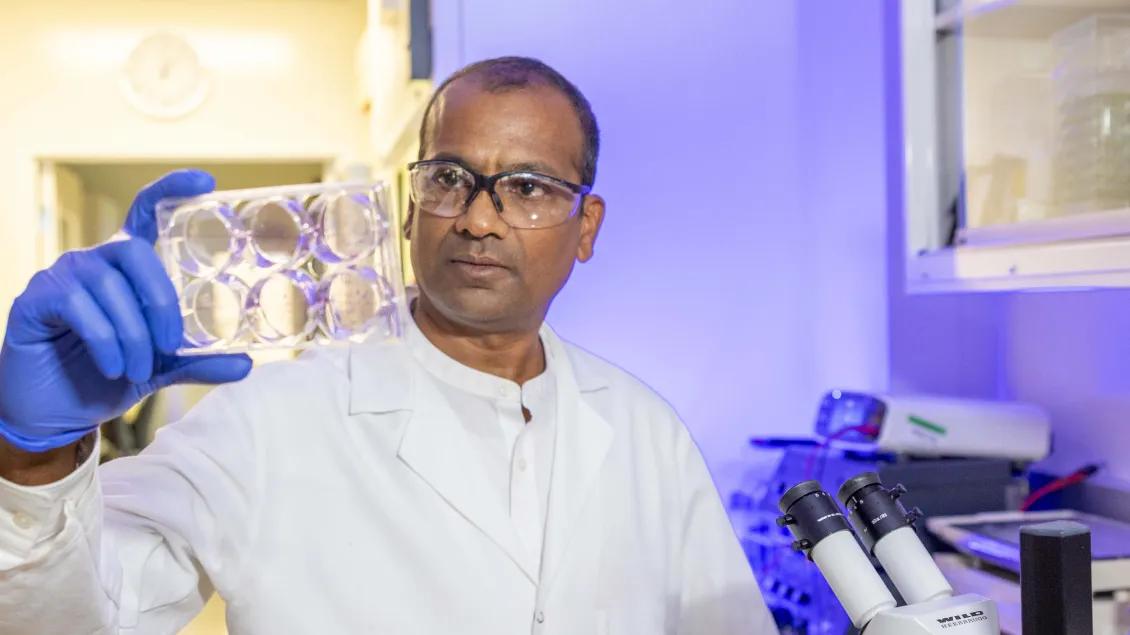
It's All Translational
That conviction drives the research in our Cancer Biology, Molecular Imaging and Physics Divisions as well as in the Clinical Division where the most obvious translation occurs.
Our scientists believe that their work in genomics or metabolomics or cancer cell biology is as much about improving cancer therapy as are quality of life studies and testing of new combination therapies or novel agents. Our physicists have been and continue to be leaders in the development of various imaging techniques to advance treatment planning and ever more precise delivery radiation therapy.
Our Initiatives
Featured News & Stories
Health Lab
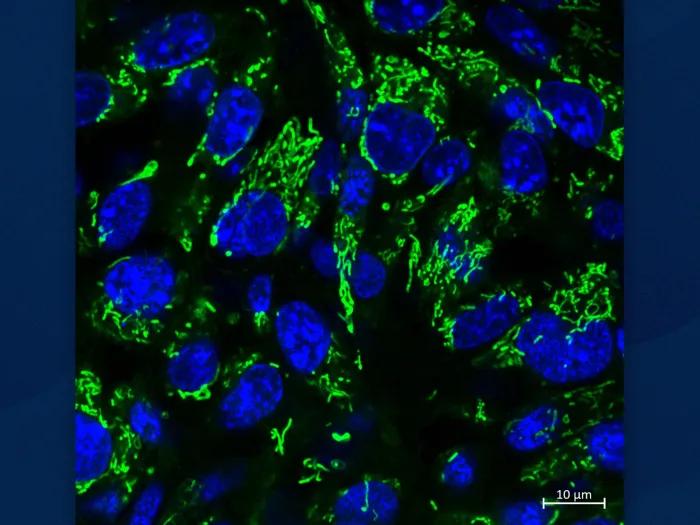
Engineered nanoparticles sensitize gliomas to radiotherapy
University of Michigan researchers discovered a new pathway that sensitizes mIDH1 gliomas to radiation in human and mouse mIDH1 glioma cells and mouse models, paving the way for phase 1 clinical trials in humans

Medical School News
Medical School’s Lori J. Pierce, MD, named Distinguished University Professor
Medical School professor Lori J. Pierce, M.D., is one of six U-M faculty members recognized for their outstanding teaching and service with one of the university’s most prestigious honors: the Distinguished University Professorship. Each professorship bears a name determined by the appointed professor in consultation with their dean. Pierce is the Allen S. Lichter Distinguished University Professor of Radiation Oncology.

Health Lab
Researchers create new path to target hard-to-drug prostate cancer protein
University of Michigan researchers have identified a specific pocket within ERG, a driver of prostate cancer, and have developed a small molecule probe, called PBITE-1, that can bind to it.
Health Lab
Path forward for glioblastoma treatment
Experts in brain cancer outline current discoveries and offer a path of hope for glioblastoma treatment

Health Lab
Doctors treat lung cancer patient after cancer metastasized to her brain
Linda Rossi was initially diagnosed with lung cancer and moved to Michigan for treatment from U-M. She received surgery, but four years later the tumor spread to her brain, and she was treated with surgery and radiation.

Health Lab
Radiation therapy for non-cancer diseases
An expert discusses the long time usage of radiation therapy for non-cancer diseases in other countries that are now available in the United States.
