U-M Addiction Treatment Services offers hope for recovery
September is National Recovery Month
The hazardous use of alcohol and/or drugs is very common and affects people from all walks of life. Each year, more than 1 in 6 Americans over the age of 12 likely meet criteria for a substance use disorder.
Despite what some people may believe, addiction is not a character flaw. It’s a chronic health condition that doesn’t discriminate — it impacts people across all backgrounds, identities and socioeconomic levels. Chances are you know someone in your life who has experienced addiction, whether they are a friend, family member or a colleague.
September is National Recovery Month and it provides an important opportunity to normalize addiction treatment and support those who are already in recovery as well as those who are just beginning to seek help with their substance use. At U-M Addiction Treatment Services (UMATS), recovery involves more than an awareness month — it’s a reality that they build with their patients every day.
“We know that recovery takes many different forms for different people,” said Mark Ilgen, Ph.D., director of UMATS, which is part of the U-M Addiction Center in the Department of Psychiatry. “At UMATS, we work to understand the priorities of our patients and to help them to make and sustain the changes that are necessary to achieve those goals.
“Many individuals sense that something feels off about their relationship with substances but they hesitate to seek help for fear of what they believe treatment might involve.
“At UMATS, we begin care by doing a thorough assessment with each individual to understand the full picture of the patterns and consequences of their substance use and then work with them to develop a treatment plan that feels collaborative and achievable. Over time, we work to refine this plan as needed as situations change.”
What sets UMATS apart?
Historically, addiction treatment services were delivered in settings that were disconnected from larger health care systems. Seeking care at UMATS is unique because it is embedded within Michigan Medicine and the Department of Psychiatry, supporting the mission of approaching addiction treatment like any other health condition, with a specific emphasis on understanding how substance use relates to emotions.
Clinicians at UMATS focus on making a clear diagnosis and working with their patients to identify the strengths, talents and values that will support individuals throughout treatment.
Providers and patients work together on treatment plans that take a “whole health” approach, identifying other mental or physical health problems that could be contributing to harmful substance use. For example, a patient may seek treatment for their substance use but also struggle with depression, getting a good night’s sleep or building strong relationships — UMATS can help with all of these areas of a patient’s life.
UMATS can also help patients who need a more community-minded approach, helping to integrate their care with community services as well. In addition, UMATS uses medications for substance use disorders as well as co-occurring conditions, as appropriate, to maximize the likelihood of success in treatment and over the long term.
Recovery is a journey
Recovery is deeply personal and the most effective treatment plans are those tailored to an individual’s specific goals and needs. At UMATS, the first steps toward recovery are always based on the latest research, successful models of care, as well as the wisdom of recovering individuals who’ve walked the path before them. As people progress in their recovery, further steps often involve participation in unique groups for people with longer-term recovery and broader connections to the large and engaged recovery community in Southeast Michigan.
No matter what the recovery journey looks like, UMATS delivers quality care with compassion, hope and respect for diversity.
Supporting yourself or a loved one through addiction
If you or someone you know is experiencing addiction, National Recovery Month serves as a reminder that recovery is possible and achievable. These resources from UMATS and the U-M Addiction Center can help you learn more about addiction and access help:
- University of Michigan Addiction Treatment Services (UMATS): Call 734-764-0231 to schedule an appointment.
- Mind Matters: Understanding the Recovery Journey Through Science and Personal Stories: Interested in learning more about recovery?
In This Story
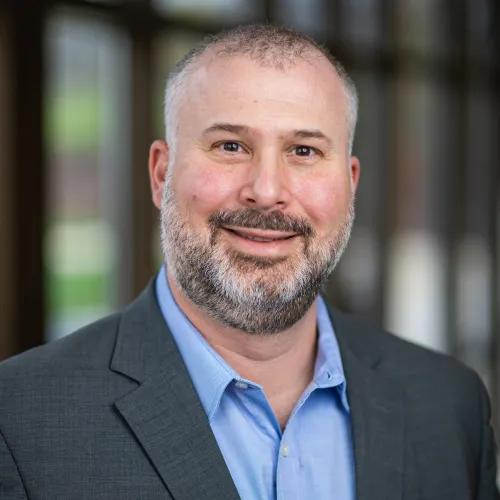
Mark A Ilgen, PhD
Professor
Featured News & Stories
The Power of Mattering
Emergency EEG study suggests need for faster seizure diagnosis and care options

When should parents stop tracking their kids' location?
From the Executive Director’s Desk: June 2026
New Findings on a Decade of Medicaid Expansion in Michigan