Not just a helicopter: How Survival Flight transforms critical care, education, and outreach
Author |
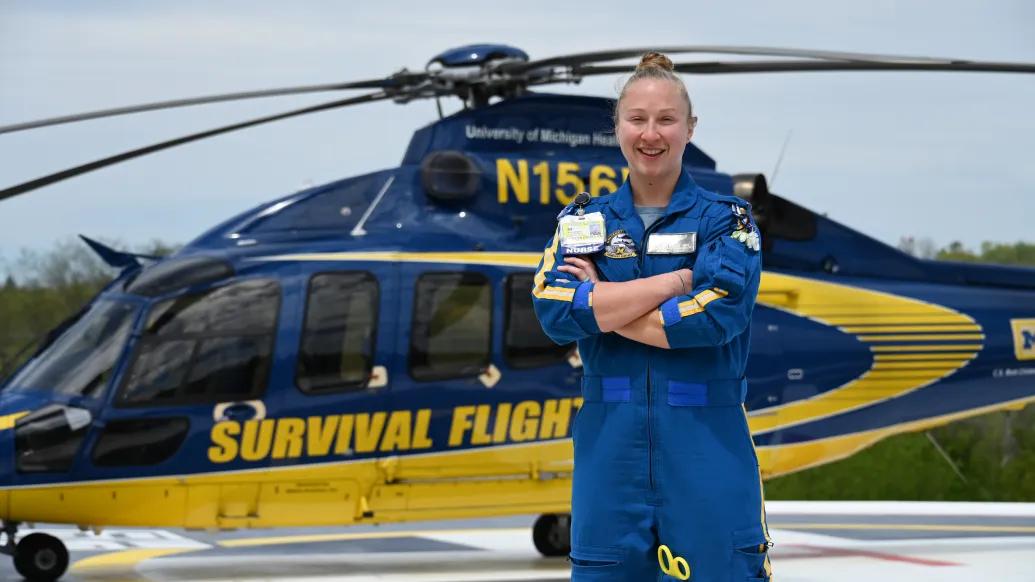
Michigan Medicine’s Survival Flight is powered by more than rotors and fuel, it’s powered by the skill, heart, and grit of a 22-person nursing team. Beyond the life-saving missions, it’s their passion for innovation, education, and service that truly sets them apart.
Flight Nurse Katelyn Dykas has served on this highly specialized team for several years. Based in Ann Arbor and Livingston county, she and her colleagues transport the most critically ill patients across Michigan.
“We specialize in advanced ICU-level care during transport,” Dykas explains. “Most people think of us flying to Michigan Medicine, but often we’re moving patients between completely different hospitals. Sometimes we never even see U-M’s campus.”
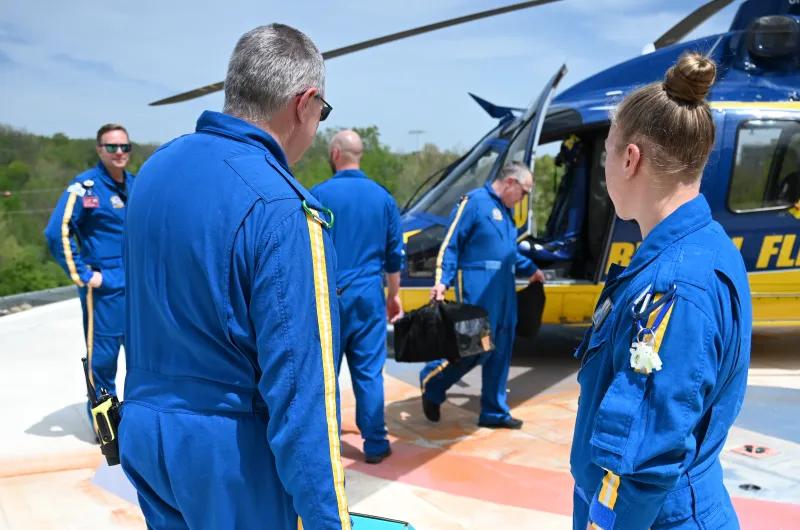
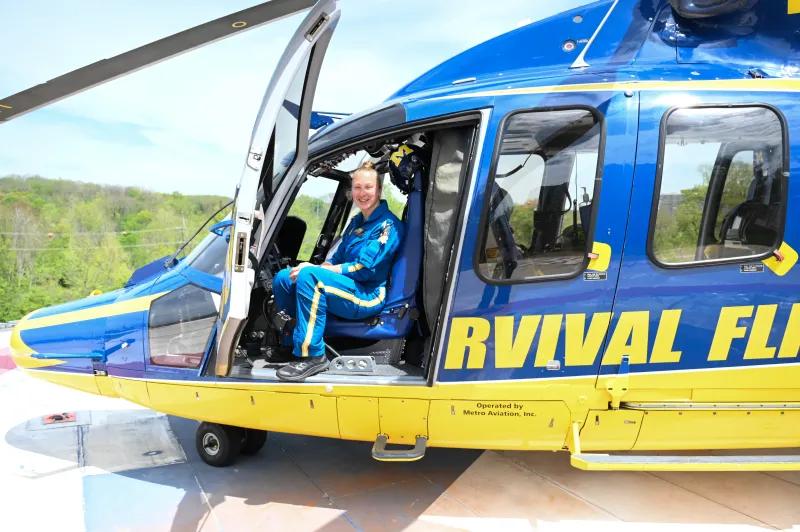
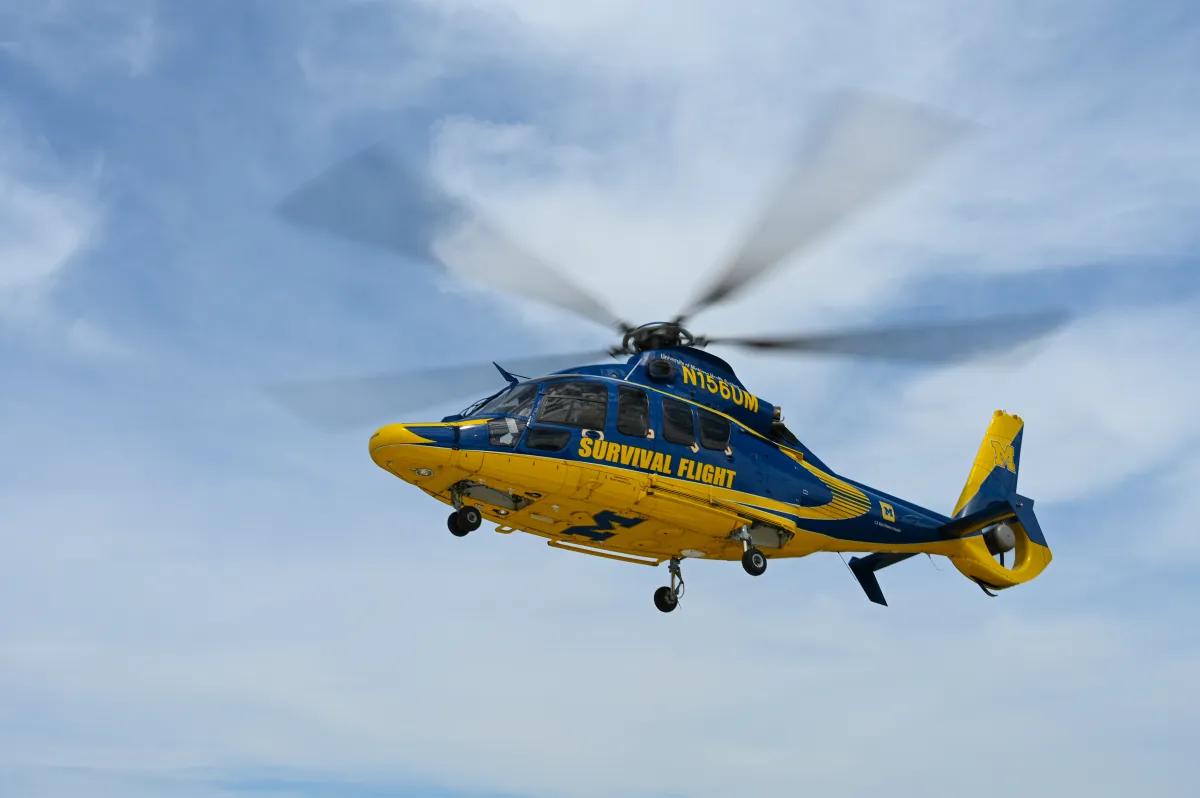
With three helicopters at two bases, a fixed-wing aircraft, and a shared ambulance with Huron Valley Ambulance, the team operates year-round — even in harsh winter conditions. Whether responding to trauma scenes or transferring patients between ERs, every mission is urgent.
“Often when we’re called, it’s a last-ditch effort,” she says. “Our job is to stabilize the patient as much as possible and get them to a facility that can give them the care they urgently need.”
Beyond the Flight
Dykas’s also leads Survival Flight’s community outreach, organizing volunteer work like preparing meals at Ronald McDonald House and speaking at colleges to inspire future flight nurses.
“I was a Survival Flight groupie before I even got this job,” Dykas laughs. “I want to be that person for someone else to show them this dream is possible.”
She’s equally dedicated to professional education. This year, Dykas will speaking at the Michigan EMS Expo and the American Association of Critical Care Nurses National Teaching Institute & Critical Care Exposition (NTI).
At the EMS Expo, she’ll present "Intubation Excellence," featuring advanced tools like video laryngoscopes and suction devices, which are not yet common in many rural EMS units.
At NTI, she’ll share a real case study showcasing the team’s life-saving interventions during a complex flight.
“Our goal is to share what we’ve learned,” she says. “We have access to incredible training and equipment — things many EMS services might never see. If even one person takes something back to their team that improves patient care, then it’s worth it.”
A Team Like No Other
Survival Flight’s high standards are backed by extensive training and collaboration with Michigan Medicine’s clinical teams.
“We're so lucky,” she says. “Our orientation is a minimum of a year. That’s unheard of for most nurses. Plus, we’re dual-licensed as nurses and paramedics, which allows us to provide an even higher level of care in the field.”
Unlike most programs, Survival Flight pairs two dual-licensed providers on every mission. Team members also lead efforts in ventilator management, blood product coordination, and medication procurement to ensure cutting-edge care.
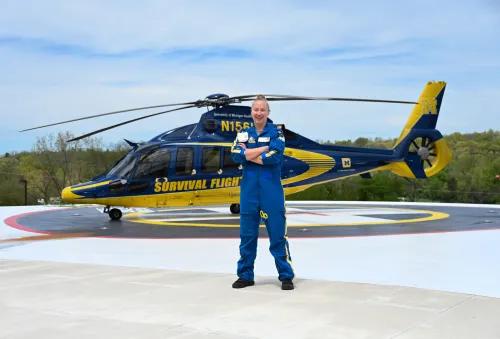
“When we bring something back from a conference like a new device or technique, we can sit down with our medical directors and have real conversations about updating our protocols,” Dykas says. “That level of collaboration is rare, and it makes us better.”
Living the Dream
For Dykas, working at Survival Flight is more than just a career.
“I’m living my dream job,” she says. “I just want to keep learning, keep sharing what we know, and keep getting better for our patients.”
By bringing advanced care across Michigan, mentoring the next generation, and driving EMS education forward, Survival Flight continues to soar higher every day.
(Story/ Photos by: Danielle Jimenez, Department of Emergency Medicine Communications Specialist)
Featured News & Stories
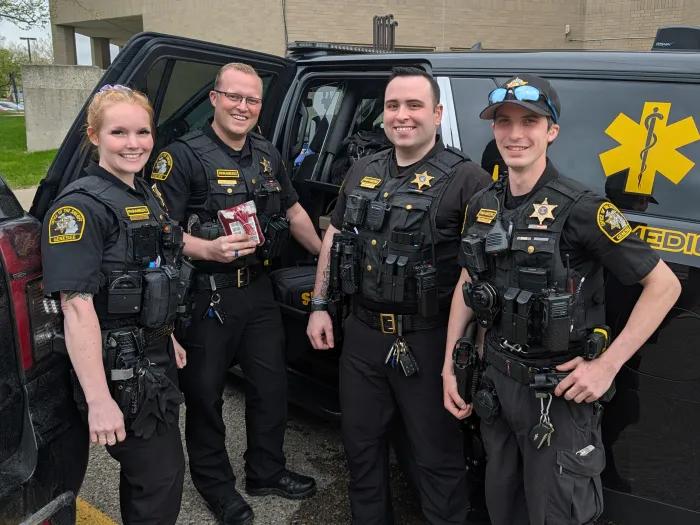
U-M Emergency Medicine Helps Bring Pre-Hospital Blood Transfusions to Genesee County EMS
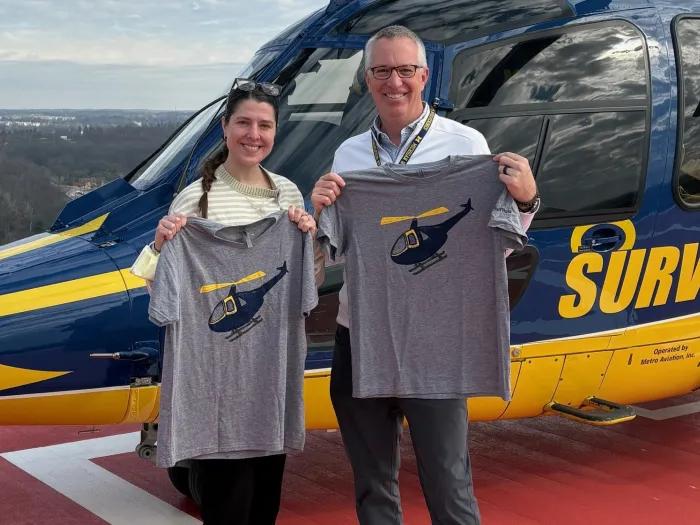
From Patient Art to Lifesaving Impact
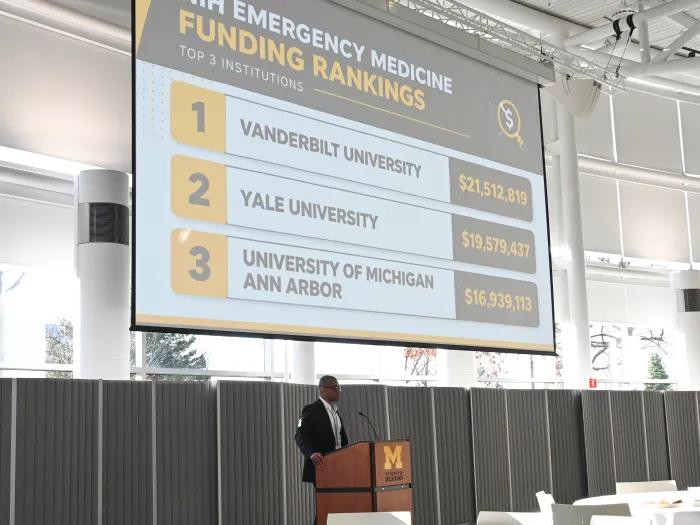
Barsan Day Highlights Emergency Medicine Research and Innovation
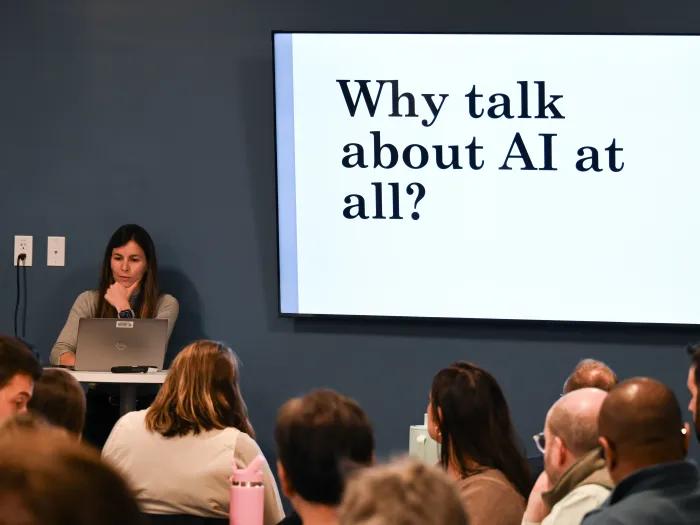
AI in U-M Emergency Medicine
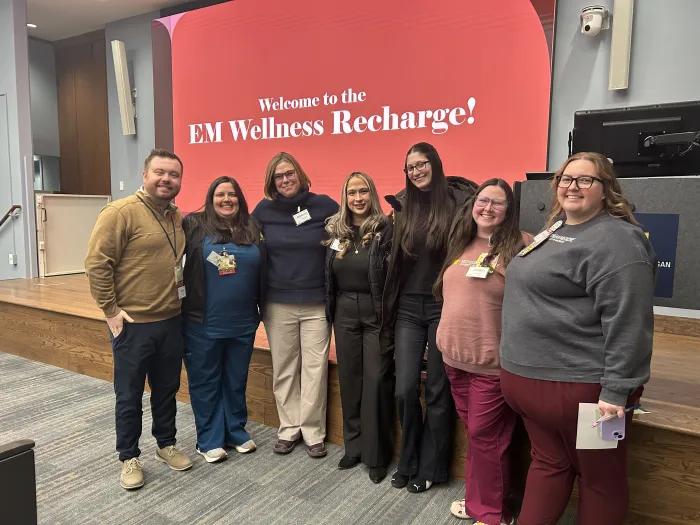
Recharge and Reconnect: Emergency Medicine wellness event brings community together