Incentivizing Recovery: Why Contingency Management Works to Treat Addiction

Dr. Lara Coughlin is featured in this episode of the American Psychological Association's Speaking of Psychology podcast

Author | Stephany Daniel
Speaking of Psychology logo depicts a brain and a talking bubble


Lara Coughlin, Ph.D., associate professor at the University of Michigan Addiction Center, was a recent guest on the American Psychological Association’s Speaking of Psychology podcast. Coughlin discussed how tangible rewards and incentives can help people experiencing addiction abstain from drug use and begin their recovery journey. This evidence-based approach, called contingency management, is especially effective in treating stimulant use disorders as there are currently no approved medications for the condition. 

Listen to the full episode to learn the psychology behind why contingency management works and how it can be applied as a treatment for many forms of addiction.


More Articles About:

Addiction

In This Story

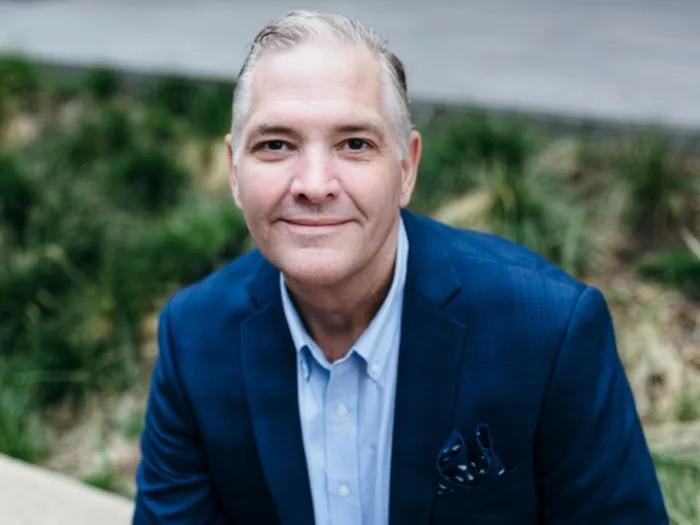
Lara N. Coughlin

Lara N Coughlin, PhD

Associate Professor

Featured News & Stories

a neon sign that spells out the word "gambling"
Department News

Texas Tech Quarterback Brendan Sorsby Seeking Gambling Treatment as Young Men Face Risks of Accessible Betting - Dr. Erin Bonar was interviewed by WJR

Texas Tech Quarterback Brendan Sorsby Seeking Gambling Treatment as Young Men Face Risks of Accessible Betting - Dr. Erin Bonar was interviewed by WJR
Screenshot of Dr. Erin Bonar speaking with Fox13
Department News

Florida not expected to see much change from marijuana rescheduling, but research opportunities loom - Dr. Erin Bonar was interviewed by Fox 13 Tampa Bay

Florida not expected to see much change from marijuana rescheduling, but research opportunities loom - Dr. Erin Bonar was interviewed by Fox 13 Tampa Bay
pill bottle next to fake mouth of teeth and gums
Health Lab

Opioids for dental pain still more common in U.S.

A Michigan Medicine study finds that the U.S. outside Puerto Rico still has a high rate of dental opioid pain medication prescription filling compared with other developed nations, despite steep drops in recent years because of guidelines spurred by the opioid crisis.
cannabis green leaf in glass
Health Lab

What does cannabis 'rescheduling' mean for science and society?

Medical cannabis (marijuana) has been rescheduled on the federal level, which could open the door for much more research than was possible before. Four Michigan Medicine experts comment.
Graphic of bottles connected by lines by Justine Ross, Michigan Medicine
Department News

Spring 2026 Addiction Center Newsletter

Dangers of 7-OH; Cannabis 'rescheduling;' Alcohol Awareness Month event; What we’re learning from the ABCD study, & more
Well-Being at Michigan Medicine with Dr. Elizabeth Harry
Well-Being at Michigan Medicine

How Quality Improvement Supports Clinician Well-Being

How do quality improvement and clinician well-being intersect? Michigan Medicine’s Dr. Michael Englesbe, a transplant surgeon, joins Dr. Elizabeth Harry to discuss scaling change from the bedside, reducing burnout by removing unnecessary work, and lessons from Michigan’s opioid prescribing success. A candid conversation on leadership, standardization, humility and why empowering frontline teams is essential to better care and a healthier workforce.