Faculty Spotlight: Dr. Cornelius James—Preparing Healthcare for the AI Era
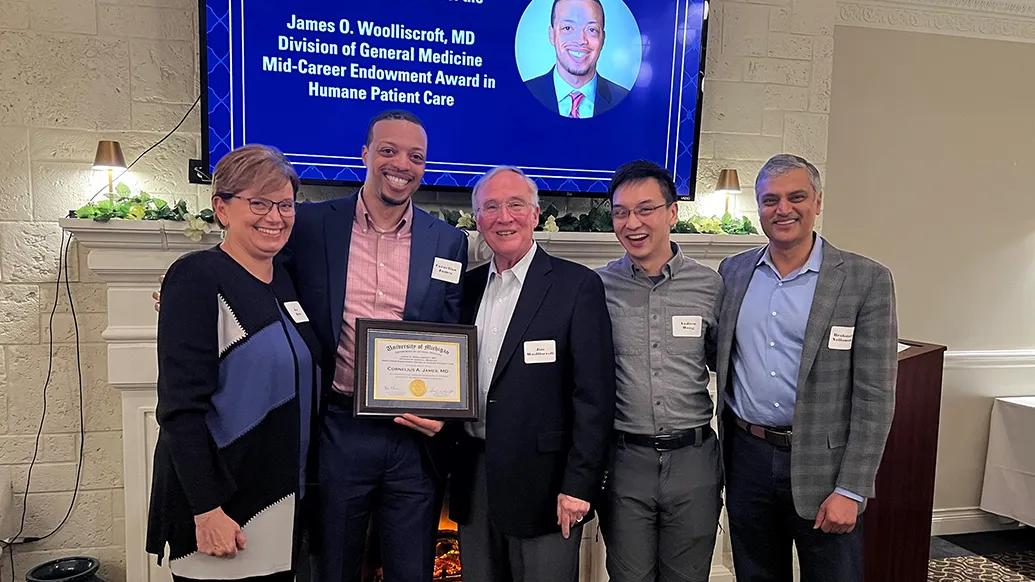
As technology continues to advance, educational frameworks that train clinicians to use it effectively are lagging behind. Researchers like Cornelius James, MD, FNAP, clinical assistant professor in the Department of Internal Medicine Division of General Medicine and Department of Pediatrics, are working to bridge the gap.
Early in his medical career, Dr. James was driven by a passion for for caring for patients across the entire lifespan, leading him to specialize in both internal medicine and pediatrics. As his educational career evolved, medicine was entering the artificial intelligence (AI) era and inspired him to pivot his research toward preparing clinicians on how to use these emerging technologies.
Today, Dr. James’ research focuses on developing and evaluating innovative initiatives that help healthcare professionals integrate AI into clinical practice safely and effectively. He currently leads the development of the Interprofessional Program for AI-Augmented Health Care Teams (I-PAAT), a multifaceted program designed to establish an interprofessional competency framework that ensures physicians, nurses, and other healthcare professionals can collaborate seamlessly alongside AI technologies to improve patient outcomes.
Ultimately, my goal is to build a robust foundation for AI training in healthcare education.
Where Clinical Care, Education, and Technology Meet
As a clinician, educator, and a researcher, Dr. James' work on the technological advances in healthcare is deeply interconnected in these three pillars.
“My clinical practice keeps me grounded in the real-world challenges clinicians and patients face every day. The frontline experience directly informs my educational research, allowing me to ask: What skills do clinicians actually need right now to practice effectively?”
Technology serves as the catalyst. By looking at clinical medicine through an educational lens, Dr. James can design training programs that ensure emerging AI tools aren’t just innovative, but also practical, safe, and used collaboratively at the bedside.
Integrating AI Into Clinical Practice and Medical Education
AI continues to address many persistent challenges in healthcare delivery. According to Dr. James, one of its greatest opportunities lies in reducing administrative burden.
“Clinicians spend an exhausting amount of time documenting, charting, and navigating administrative hurdles, which contributes heavily to burnout. AI has the potential to automate these tasks, acting as a highly efficient teammate.”
By reducing administrative demands and freeing up cognitive bandwidth, clinicians can devote more time and attention to their patients.
“Ironically, AI can make medicine more human again."
Dr. James’ work also focuses on integrating AI into medical education curricula. As these technologies become more widely used throughout healthcare systems, he believes understanding these tools can help clinicians become more thoughtful leaders and uphold high standards of patient care.
“Future clinicians will practice in an environment where AI is completely ubiquitous. If we don’t train them to understand underlying mechanics, capabilities, and limitations of AI, we’re doing them a disservice.”
According to Dr. James, some of the things clinicians will need to be familiar with include, how to critically appraise AI’s output, recognize algorithmic bias, and understand ethical implications of data privacy.
“It’s not about turning them into data scientists, it’s about empowering them to be critical, safe, and effective leaders of AI-augmented teams.”
Inspiring the Future of AI in Healthcare
Although early forms AI date back to the 1950s and 1960s through the work of scientists like Arthur Samuel and John McCarthy, there is still some skepticism among clinicians and patients. Over the next few years, Dr. James says clinicians may expect a shift away from the hype and toward more practical, integrated decision support and we should welcome the skepticism that follows.
“Skepticism is entirely healthy and necessary in medicine - we must demand rigorous evidence.”
Some skepticism stems from the idea that AI will be used as an independent decision-maker, introducing risk for error and lack of human emotion. However, Dr. James says skeptics and optimists alike can expect AI to act more like an invisible safety net - catching drug interactions, highlighting subtle diagnostic findings, and streamlining communication among care teams.
Looking ahead, Dr. James is excited about the evolution of ambient AI tools. In particular, one that can listen to a patient-doctor conversation in real-time and automatically synthesize it into an accurate, empathetic, and structured clinical note. Further down the pipeline, he is fascinated by the potential of multimodal AI that can simultaneously analyze genomic data, imaging, and social determinants of health to offer truly personalized medicine.
What motivates Dr. James—not only in his work with AI, but across his role as a clinician, educator, and researcher—is the opportunity to shape the future of healthcare. He says it is energizing to watch students and residents grasp these new concepts and embrace practicing in an AI-augmented world. Each day, he is inspired by the potential to improve both the clinician experience and patient care on a systemic scale.
“We are participating in writing the playbook for the next generation of medicine, and that is a thrilling space to operate in.”
As healthcare continues to evolve in the age of AI, leaders like Dr. James are helping ensure innovation is matched with thoughtful education, ethical implementation, and patient-centered care.
See more of Dr. James’ research.
In This Story
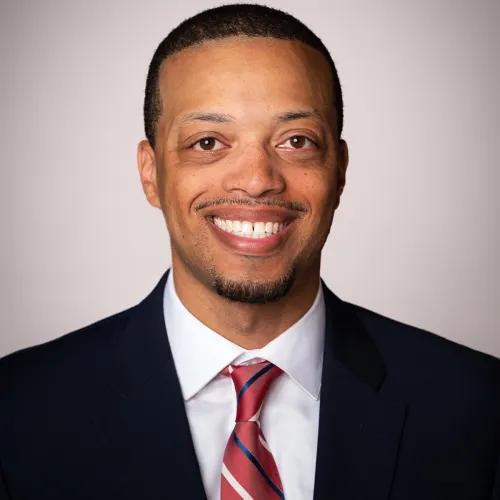
Cornelius Alfred James, MD, FNAP
Clinical Assistant Professor
Related
A.I. and its potential to transform healthcare
The new DATA-MD curriculum empowers learners to use and appraise machine learning and artificial intelligence tools
Featured News & Stories

New Findings on a Decade of Medicaid Expansion in Michigan

3D-Printed Models - Conjoined Twins
Ljungman receives $500K from the Little Warrior Foundation for Ewing sarcoma gene-editing therapy
Improving care for patients with brain injuries
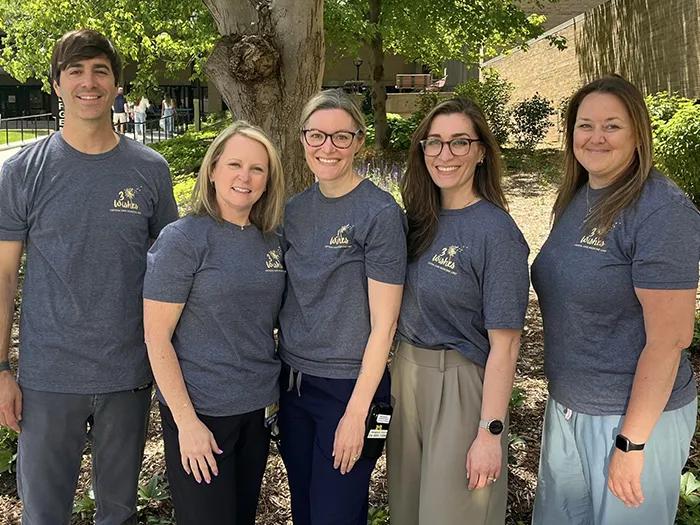
Critical Care Program Fulfills Patients’ Final Wishes, Bringing Comfort to Last Moments