
Emily Kagey
Emily Kagey is a science writer for the University of Michigan Life Sciences Institute, where she develops feature articles, press releases, newsletters and other written content to promote the variety of research conducted within the LSI. Prior to joining the LSI, she worked in nonprofit communications and academic publishing for more than 10 years.
Contact information


Health Lab
Study reveals how shedding DNA allows pro-inflammatory immune cells to quiet inflammation
The immune system’s first responders can reverse their own inflammatory response by shedding tiny pieces of their identity, according to a study.

Department News
New view of cellular delivery trucks reveals unexpected hitch
The Life Sciences Institute News reported research from the Weisman lab on how a class of proteins uses a transport system to reach their destinations in the cell.
Health Lab
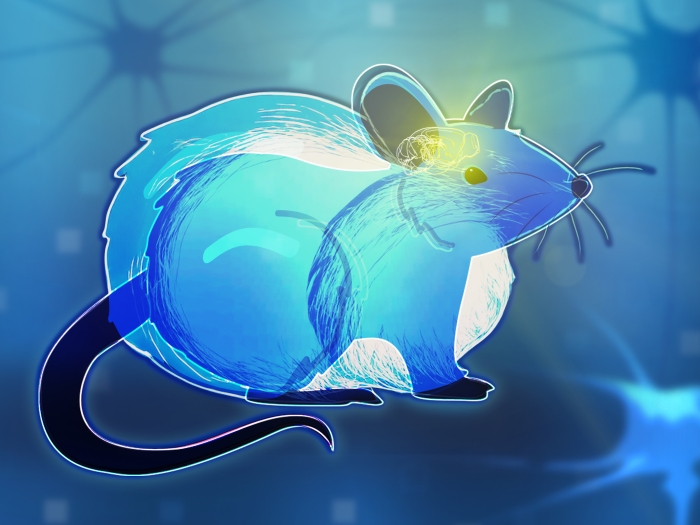
Diabetes and weight loss drugs could be enhanced, shows study in mice
A network of proteins found in the central nervous system could be harnessed to increase the effectiveness, and reduce the side effects, of diabetes and weight-loss drugs such as Ozempic and Mounjaro, according to research from the University of Michigan Life Sciences Institute.

Health Lab
Researchers open new leads in anti-HIV drug development, using compound found in nature
Researchers open new leads in anti-HIV drug development, using a compound found in nature

Health Lab
Scientists develop new model for understanding sudden death in epilepsy
Researchers at the University of Michigan have developed a model for studying one type of familial epilepsy, opening the door to understanding—and eventually targeting—the mechanisms that lead to the disorder and its associated fatalities.
Health Lab
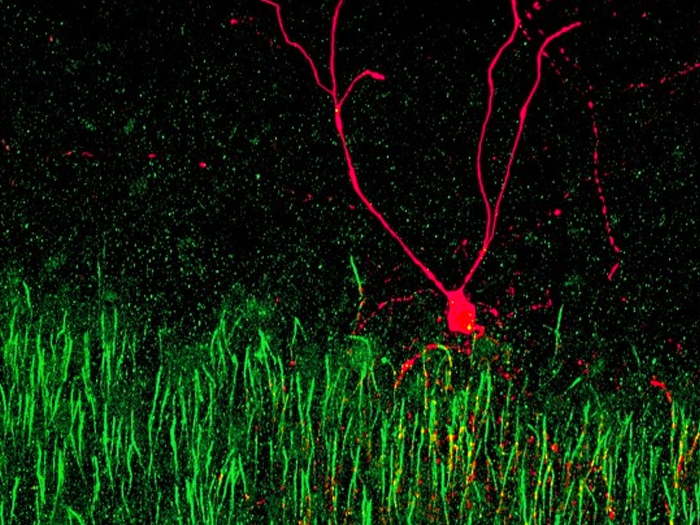
A gene involved in Down syndrome puts the brakes on neurons’ activity in mice, study shows
Michigan Medicine researchers have found that an extra copy of one gene that is triplicated in human Down syndrome patients causes improper development of neurons in mice.

Health Lab
Using the power of artificial intelligence
A new software tool, called LabGym, helps researchers across the life sciences more efficiently analyze animal behaviors.
