MedART is a longitudinal art therapy class for medical students at the University of Michigan that creates a space for discussion and creative expression. The program was founded in March 2022 by a group of friends looking to meaningfully reflect upon and convey their experiences in medical school. This is a course created by medical students for medical students. We found a need to provide a long-term creative outlet for processing the unique experiences that medical students encounter, and the novel emotions that our peers face with limited time and resources to share and understand them.
The course started off with the idea of making art more accessible to medical students as a means to relieve stress and promote well-being. The University of Michigan Medical School has several amazing events and workshops dedicated to promoting well-being through the arts. However, we felt there was a gap between having a space where students interested in the arts could really delve into it regularly, and providing an environment where they can feel safe to be vulnerable and have access to the creative medium. We decided to bridge this gap by introducing our peers to art therapy.
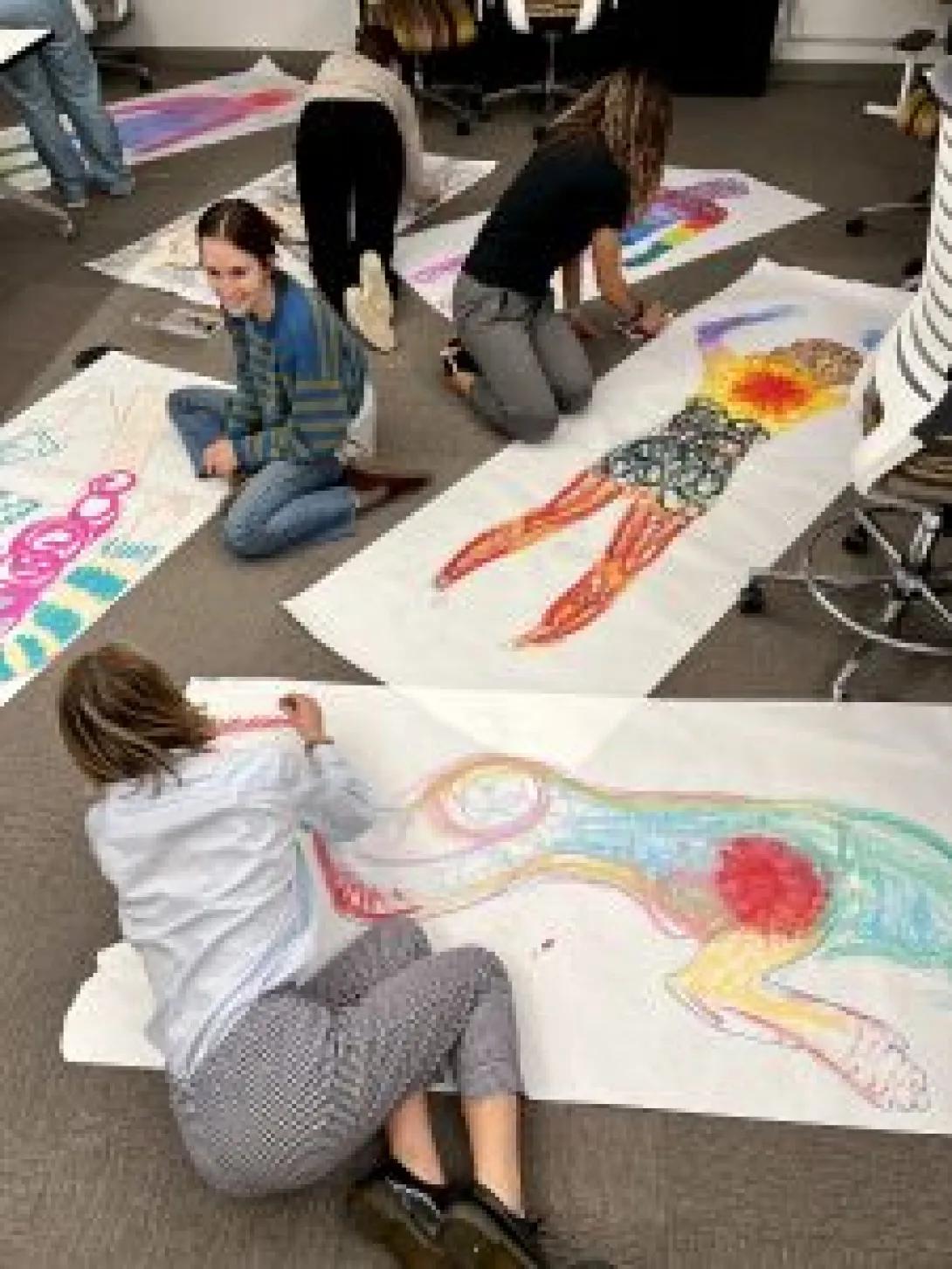
The MedART Therapy course comprises eight sessions, led by our amazing art therapist, Dr. Katherine Munter, whose passion and dedication has been invaluable. The course focuses on topics such as grappling with perfectionism, body image, imposter syndrome, processing trauma, and reclaiming one's identity as an individual through color theory, surrealism, tactile art, resourceful art, "anabolic" and "catabolic" art, and cultivating art from nature. Different from other art-based wellness programs that emphasize the visualization of art, MedART Therapy approaches healing and rejuvenation through the creation of art.
This notion of "process art" is core to our mission of empowering students, through art, to reframe personal struggles as opportunities for exploration, discovery and reflection. Students have found this course to provide an opportunity "to not be perfect, to be silly, to make friends, and to be mindful of what is going on around [them]", and "learn to be more introspective… [using] different mediums to explore emotions and thought."
Special thanks to Dr. Joel Howell, Dr. Thomas Sisson, the Department of Internal Medicine, the Learner's Wellbeing Office, and everyone involved in creating and establishing this course.
Media Contact
MD Admissions
University of Michigan Medical School
Stay Informed
Want top health & research news weekly? Sign up for Health Lab’s newsletters today!
Featured News & Stories

What’s changing in Medicaid and what can you do?

C.S. Mott Children’s Hospital and The Parade Company Unveil New Float Inspired by “Little Victors” to Debut in 100th America’s Thanksgiving Parade® presented by Gardner White

What Can a Blood Test Really Tell Us About Alzheimer’s Disease?
M&I 2026 Annual Report
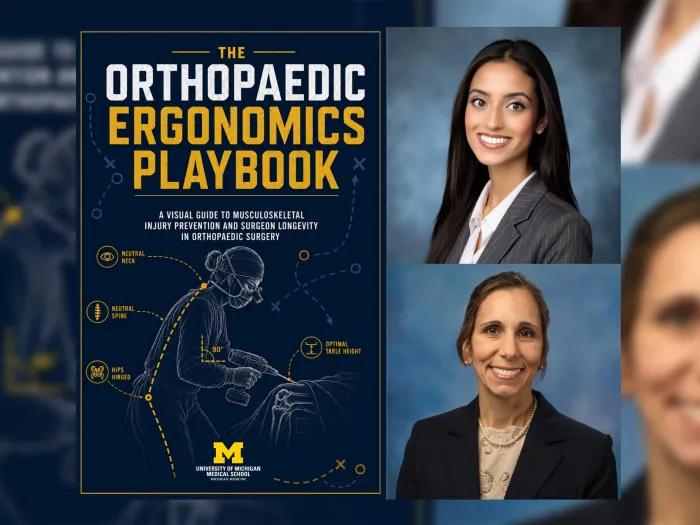
Playbook helps orthopaedic surgeons protect their most important instruments: themselves