A Look Inside the Podiatry Fellowship with Dr. Kanika Kochhar
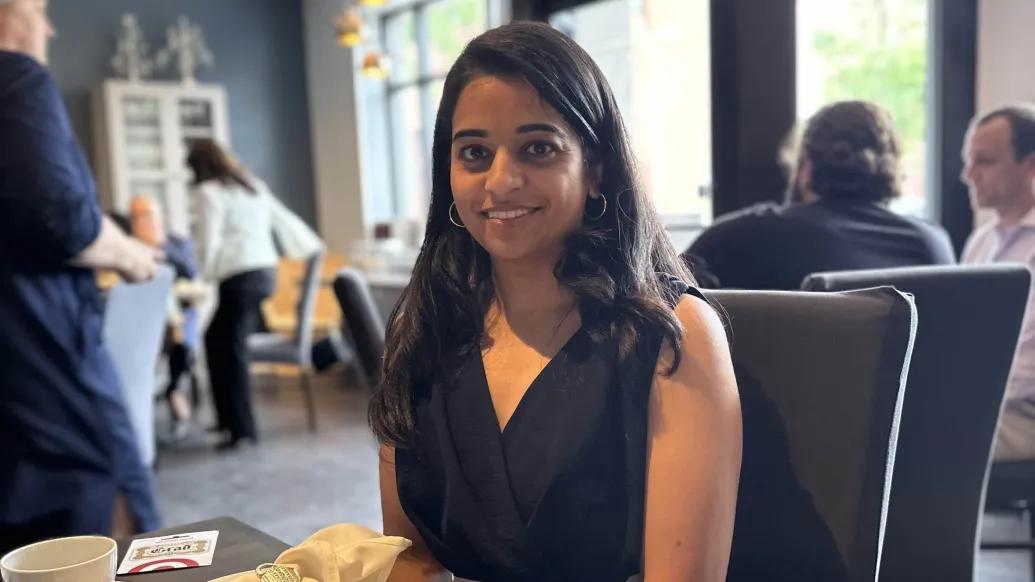
Congratulations to Kanika Kochhar, DPM, upcoming graduate of the Michigan Medicine Podiatry Research Fellowship Training Program.
Before beginning the fellowship program in July 2022, Dr. Kochhar earned her Doctor of Podiatric Medicine (DPM) at the Rosalind Franklin University Dr. William M. Scholl College of Podiatric Medicine and completed her residency at Katherine Shaw Bethea Hospital.
In her final days of fellowship, Dr. Kochhar reflects on her experience during the past two years and shares insights into the program and the impact it has had on her professional growth.
What aspects of the fellowship do you enjoy the most?
I have enjoyed collaborating on research projects and building mentor relationships with the program faculty.
How do you think the fellowship has prepared you for the future?
As fellows, we are trained in the prevention, diagnosis, and treatment of patient populations at high risk for limb loss. This has helped shape my expertise in the diabetic foot and wound care. The hands-on experience with a wide variety of wound care products, skin substitutes, biologics, and grafts has been invaluable and has given me the confidence to transition into independent practice.
What research project did you work on, what was the goal, and why are you interested in this area?
My main research project evaluates the incidence of re-ulceration in patients undergoing partial forefoot amputation. This is highly relevant to our field as a significant portion of our patient population includes individuals suffering from complications secondary to diabetes.
I hope the findings from our project will help incentivize the prevention of diabetic foot ulcers and underscore the importance of patient education.
How do you spend your day when you’re in the clinic?
As fellows, we have an independent clinic schedule where we staff our patients with the on-call attending. We see patients with a variety of conditions, including diabetic, venous, arterial, pressure, and ischemic wounds. Our afternoons are dedicated to rounding in the hospital where we manage a large volume of patients. We are granted full autonomy in both the inpatient and outpatient setting.
What accomplishments are you most proud of?
I am proud of several accomplishments throughout my time as a fellow. These include multiple publications and several presentations at teaching conferences hosted by the podiatry, vascular, and wound care units at Michigan Medicine.
Additionally, I have presented my research at regional conferences, earning first place at the Michigan Podiatric Medical Association Great Lakes Conferences in 2024. I have also had several posters accepted to the Symposium on Advanced Wound Care (SAWC) and Department of Internal Medicine Research Symposium.
What is your favorite part of your job?
My favorite part of my job is helping patients on their journey to healing wounds. I also enjoy working with other specialties to help ensure our patients achieve the best possible outcomes.
The Michigan Medicine Podiatry Research Fellowship Training Program provides clinical training in several different areas of related medical specialties, with an emphasis on research and patient populations at risk for limb loss. Learn more.
Featured News & Stories

Human Rabies Exposures Growing Across the Country
Continuing the legacy of a doctor’s doctor
New Certificate in Global Health Program welcomes first cohort of residents, fellows
Karsten Bartels, MD, earns Gladys Sessler Outcomes Research Consortium Award